



Our Responsibility, Our Future: Taking Climate Action Together
Discover how climate change is affecting Malaysia and how small daily actions, sustainable habits, and corporate responsibility can help build a greener future.
Key Takeaways
- Climate change in Malaysia is becoming increasingly evident, as seen through more frequent flooding, extreme heatwaves, and environmental degradation.
- Small changes in our daily lives can make a significant impact in reducing environmental harm and supporting long-term sustainability.
- Businesses and organisations also play an important role by adopting sustainable practices and operating responsibly.
- Collective climate action is essential to effectively address the changes and to build a sustainable future for generations to come.
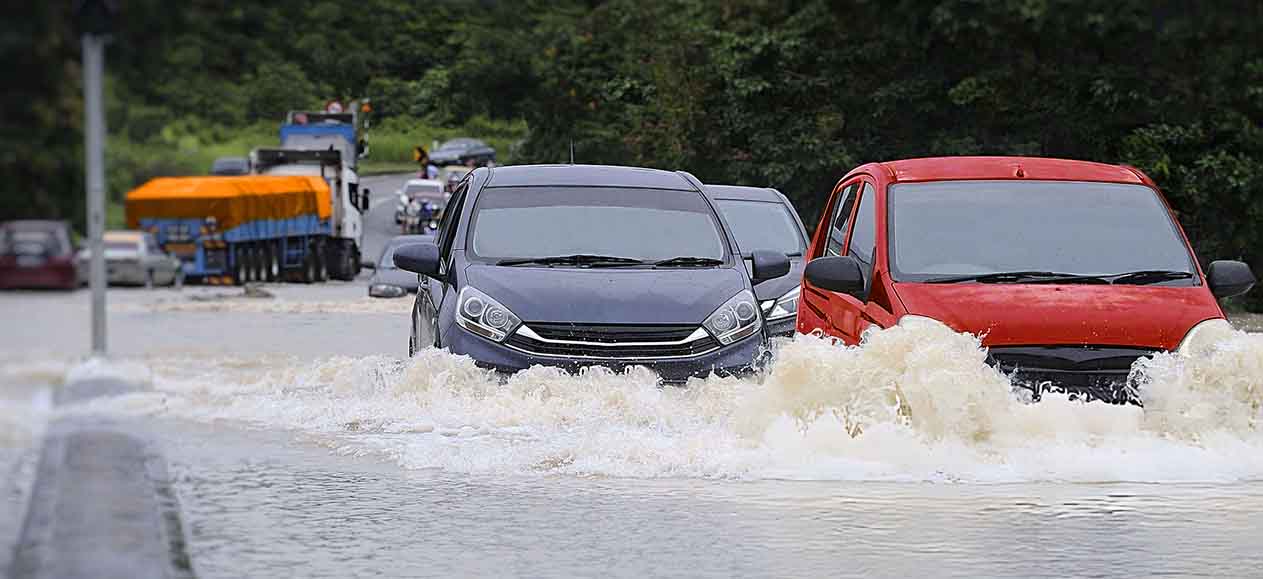
Climate change is no longer an issue that affects only certain parts of the world. Today, the effects of climate change in Malaysia are becoming increasingly evident in our daily lives, from prolonged heatwaves and rising temperatures to flash floods and increasingly unpredictable weather patterns. These environmental challenges not only effect ecosystems but also have significant impact on communities, livelihoods, and the well-being of future generations.
While large scale efforts by governments and global organisations are crucial, real change also begin with actions of individuals, communities, and organisations that share a collective responsibility. By raising awareness and adopting more suitable lifestyle, we can all shared goal of climate action and protecting the planet for a more sustainable future.
Understanding Climate Change and Our Shared Responsibility
Climate change refers to long-term changes in global temperatures and weather patterns, largely driven by human activities such as carbon emissions, deforestation, and excessive energy consumption. According to the United Nations (UN), carbon emissions, the use of fossil fuels, and deforestation are among the key factors contributing to increasingly concerning global warming worldwide.In Malaysia, the impact of climate change has become increasingly evident in recent years. Incidents such as flash floods, rising sea levels, haze pollution, and extreme heat are affecting both urban and rural areas. These environmental changes also place pressure on food security, public health, and the country’s economic stability.
Addressing these challenges requires a collective effort from all levels of society. While policymakers and environmental organisations continue to implement large-scale initiatives, individuals and the businesses sector must also play their part through daily actions and long-term commitments.
This is where corporate and social responsibility (CSR) becomes increasingly important. Today, organisations are not only expected to generate profits but also to contribute positively to society and the environment. Businesses that adopt sustainable practice not only help protect natural resources but also enhance environmental awareness among employees, customers, and communities.
It’s important to remember that everyone has a role to play in addressing climate change. Even small actions, when carried out collectively, can result in significant and meaningful impact.
Practical Ways to Protect the Environment and Reduce Carbon Footprint

Many people assume that protecting the environment requires major lifestyle changes. However, the reality is that there are many simple and practical ways to help the environment that can be practiced every day.
Some of these practices include:
- Switching off electrical appliances when not in use
- Reducing water wastage at home
- Recycling paper, plastic, and electronic waste responsibly
- Bringing reusable bags and containers when shopping• Supporting eco-friendly products and sustainable brands
Choosing more sustainable modes of transportation can also help reduce carbon footprint. Using public transport, carpooling, cycling, or walking not only reduces carbon emissions but also helps conserve fuel.
At the same time, adopting smarter shopping habits plays an important role. Reducing reliance on single-use plastics and avoiding unnecessary waste can contribute to long-term environmental sustainability. While these choices may seem small when done individually, collectively they can significantly reduce environmental pressure and encourage more responsible consumption patterns.
Supporting companies that actively promote sustainability initiatives can also drive broader positive change. As consumers become more environmentally conscious, businesses are encouraged to adopt greener practices and invest in sustainable operations.
Ultimately, protecting the environment is not about achieving perfection overnight. Rather, it is about making conscious choices consistently and understanding that every action contributes to a larger goal.
The Role of Organisations in Driving Climate Action

Businesses and organisations hold significant influence in shaping a more sustainable future. Beyond reducing the environmental impact of their operational, organisations are also well-position to raise public awareness and encourage greater individual participation in protecting the planet.
Today, an increasing number of organisations are implementing environmental sustainability initiatives as part of their long-term strategies. These efforts include reducing energy consumption, minimising operational waste, transitioning towards renewable energy sources, and adopting environmentally responsible supply chain practices.
In addition, corporate and social responsibility (CSR) initiatives through community programmes enable organisations to contribute to the well-being both communities and environment. Many businesses are now actively participating in environmental awareness campaigns, tree-planting activities, recycling programmes, and community-based sustainability projects.
These efforts on only help protect the environment but also strengthen relationships between businesses and the communities they serve. More employees and customers are also inclined to support organisations that genuinely care about sustainability and are committed to doing the right thing.
Collaboration also plays a critical role. Governments, businesses, communities, and individuals must work together to achieve long-term environmental resilience. Climate change cannot be effectively addressed through isolated efforts alone. Collective participation remains essential in creating meaningful and lasting progress.
Moving Towards a More Sustainable Future Together
Caring for the environment is shared responsibility that requires continuous effort from all parties. Whether through small changes in our daily lives, participation in community initiatives, or responsible business practices, every action contributes to building a more sustainable future. Our shared commitment is what truly makes a difference.
In conjunction with World Environment Day, let us take a step together to protect our planet. Start with one meaningful change today such as reducing energy consumption, participating in community project, or inspiring change in your workplace. Every action, no matter how small, make a difference. Be a catalyst for change and encourage others to join you in safeguarding the environment for a sustainable future.
Remember, the health of our planet depends on the choices you make today. Take action now to create positive change and continue to inspire others to do the same. Together, we can make achieve lasting impact.
Frequently Asked Questions
1. What is one small climate action I can start with today?
Start by reducing energy waste at home. Turn off lights when not in use, unplug chargers, use natural ventilation, and choose energy-efficient appliances. These simple steps, when practice consistently, can help reduce electricity consumption and contribute to protecting the climate.
2. How can I make World Environment Day more meaningful?
You can participate in community clean-up activities, plant trees, start recycling practices at home, or encourage your workplace to support sustainability initiatives. The goal is not to do something grand, but to begin actions that can be sustained beyond World Environment Day.
3. How do I know if a brand is truly environmentally responsible?
Do not rely solely on general claims such as “eco-friendly” or “green”. Check whether the brand demostrates clear actions, such as reducing waste, using sustainable materials, supporting communities, or reporting progress on their environmental efforts. Genuine corporate and social responsibility is reflected through real practices.
4. What should families do to help children care about the environment?
Make environmental care part of daily life. Teach children to avoid food waste, bring reusable bottles, sort recyclables, and appreciate nature through outdoor activities. When children see adults practising simple ways to protect the environment, these behaviours become more natural to them.
5. Can individual action really make a difference in climate change in Malaysia?
Yes. An individual’s actions might seem small, but when adopted widely, they can influence communities, businesses, and even government policies. As more people reduce waste, make sustainable choices, and support responsible companies, it can drive larger and more lasting environmental change. .
Reference:
- United Nations – Climate Action
https://www.un.org/en/climatechange - Intergovernmental Panel on Climate Change (IPCC) Report (2023)
https://www.ipcc.ch/report/ar6/syr/ - Malaysian Green Technology and Climate Change Corporation (MGTC)
https://www.mgtc.gov.my/ - World Health Organization – Climate Change and Health (2023)
https://www.who.int/news-room/fact-sheets/detail/climate-change-and-health