



Understanding qurban: process, wisdom, and significance
Learn what is Qurban and the story behind it. Discover how to perform Qurban correctly, Shariah rules for animal sacrifice, and its spiritual benefits.
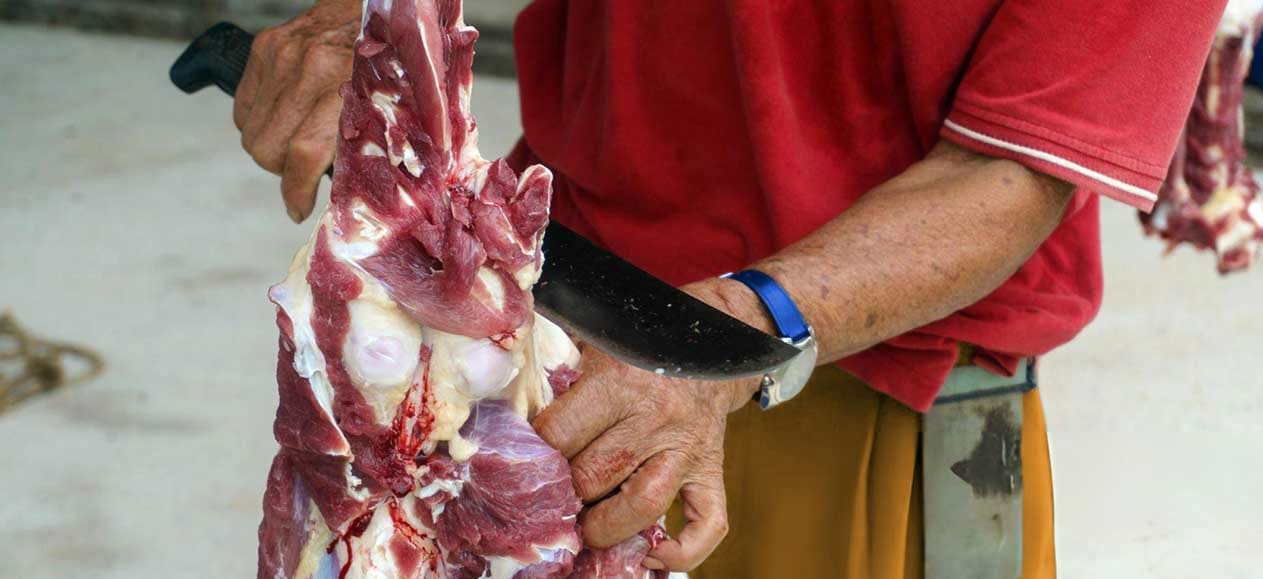
Key takeaways
- Qurban is an act of worship rooted in sacrifice and obedience to Allah.
- The process must follow specific Shariah guidelines to ensure it is valid and humane.
- The benefits of Qurban extend beyond the individual, strengthening community bonds.
- Understanding its meaning helps deepen sincerity and spiritual connection.
Hari Raya Aidiladha is linked with the practice of Qurban, a deeply meaningful act of worship that reflects sacrifice, sincerity, and obedience to Allah. While many Muslims are familiar with its significance, questions often arise around what exactly Qurban entails and how it should be properly carried out. By gaining a clearer understanding of the process and its deeper meaning, this ibadah becomes a powerful spiritual reminder.
What is Qurban and why is it performed?
Qurban refers to the act of sacrificing livestock during Hari Raya Aidiladha and the days of Tashriq as a form of worship to Allah. In terms of Islamic ruling (hukum), Qurban is generally regarded by the majority of scholars as a highly recommended act (sunnah mu’akkadah) for Muslims who can afford it, while some scholars consider it obligatory for those who are financially able.
But beyond its physical aspect, it carries a profound spiritual message rooted in the story of Qurban, the unwavering faith of Prophet Ibrahim (AS), who was willing to sacrifice his son in obedience to Allah’s command.
This act of devotion was ultimately replaced with an animal sacrifice, symbolising Allah’s mercy.
Today, Muslims who are financially able are encouraged to perform Qurban as an act of worship and to commemorate the devotion and sacrifice of Prophet Ibrahim (AS).
More importantly, what is Qurban truly about? It is not merely the act of slaughter, it is about:
- Demonstrating sincerity and submission to Allah
- Reflecting on personal sacrifices in life
- Strengthening empathy through sharing
The meat from the sacrifice is primarily distributed to the poor and needy, while it may also be shared with family and friends, reinforcing compassion and unity within the community.
How to perform Qurban: what is the proper process?
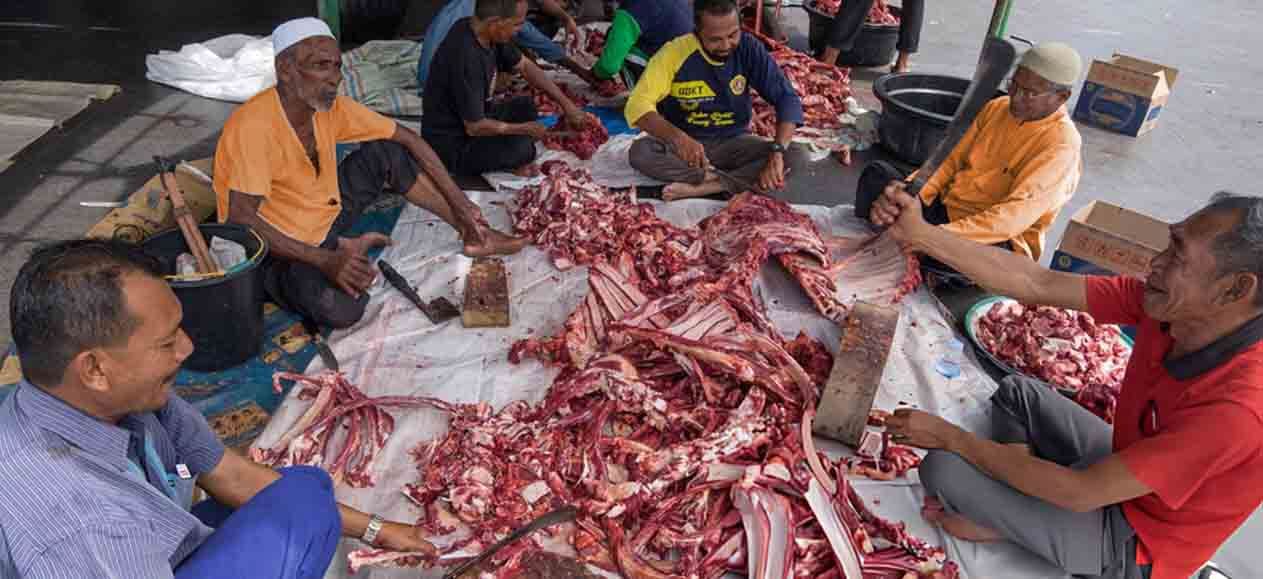
Understanding how to perform Qurban correctly is essential to ensure that the ibadah is valid and carried out with care.
1. Eligibility of the Animal
The animal selected must meet specific conditions:
- Must be from livestock animals permitted for Qurban (e.g. sheep, goats, cows, or camels)
- Healthy and free from disease
- Of appropriate age according to Shariah requirements • Free from significant defects or physical disabilities
2. Qualified Individual
The slaughter should be performed by a Muslim who is knowledgeable and capable of carrying out the slaughter according to Islamic guidelines, ensuring that all requirements are fulfilled.
3. The Slaughtering Process
Before the slaughtering process takes place, it is important to understand the intention of Qurban. Qurban is not merely about sacrificing an animal; it is performed with the intention of drawing closer to Allah, expressing obedience, and honouring the legacy of Prophet Ibrahim (AS).
The act must be performed with utmost care:
- Intention (niyyah) to slaughter the animal as Qurban for the sake of Allah
- Laying the animal down and orienting its left side toward the qiblah, with its head slightly raised.
- Reciting the name of Allah (Bismillah, Allahu Akbar)
- Using a sharp instrument for a swift and humane process
- Placing the slaughtering instrument on the neck and severing the halqum (trachea), the mari’ (esophagus), and two jugular veins on both sides of the neck (wadajain).
- Minimising suffering, in line with the principle of Ihsan (compassion)
- Praying to Allah that the qurban sacrifice be accepted.
4. Ethical Treatment of Animals
Islam places strong emphasis on kindness:
- Animals should not be distressed or harmed before slaughter
- They must be handled gently and respectfully
5. Distribution of Meat
Once completed, the meat should be distributed as follows:
- Priority should be given to the poor and needy
- It may be shared with family and friends if there is sufficient meat available
- The person offering the Qurban may also consume a portion of it
Ensuring the entire process aligns with Shariah principles preserves the integrity of the ibadah.
What are the benefits of Qurban
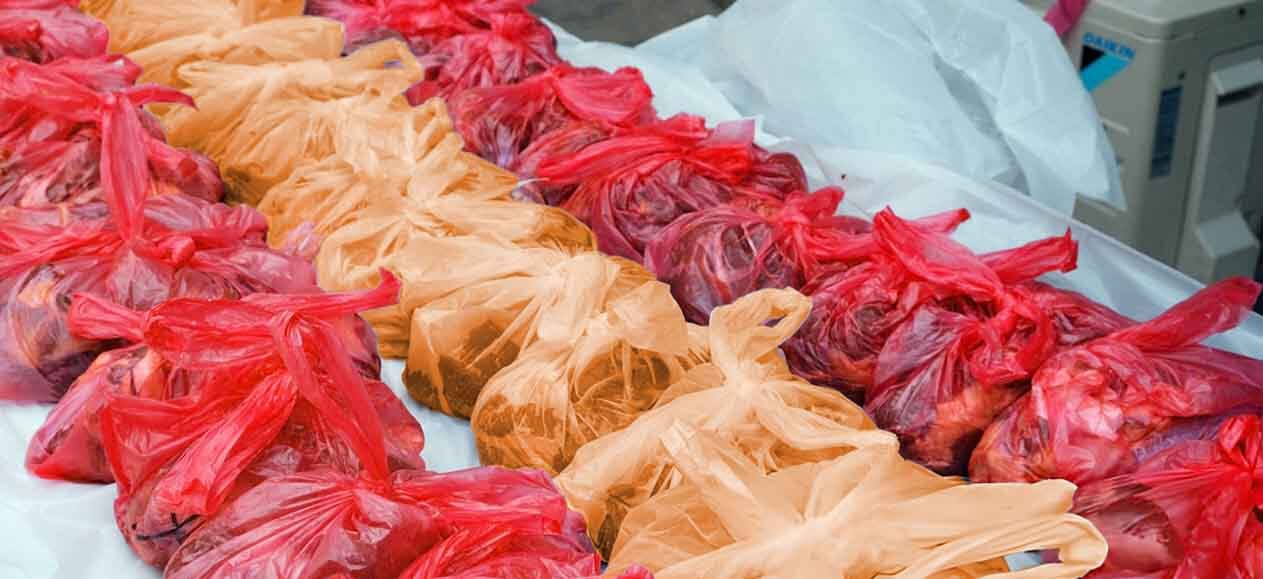
The benefits of Qurban extend far beyond the act itself, touching both spiritual and social aspects of life.
Spiritual Benefits
- Encourages sincerity and humility
- Strengthens one’s relationship with Allah
- Reminds us of the importance of sacrifice in faith • Earns rewards and blessings from Allah
Social Benefits
- Supports those in need through meat distribution
- Promotes generosity and unity
- Reinforces community bonds
Personal Reflection
At its core, Qurban is a reminder to evaluate our intentions. It invites us to ask: are we willing to prioritise faith over worldly attachments?
What is the deeper significance of Qurban?
Understanding the wisdom behind Qurban transforms it into a meaningful spiritual journey. It teaches that true devotion lies not in the act itself, but in the intention behind it.
Allah mentions in the Quran that neither the meat nor the blood reaches Him, but rather our piety. This highlights a crucial message: sincerity matters more than the sacrifice itself.
Through Qurban, Muslims are reminded to:
- Let go of material attachments
- Practise generosity wholeheartedly
- Strengthen their faith with conscious intention
Final reflection
Hari Raya Aidiladha is not only about performing the act of Qurban, but also about embracing the values it represents. When we take the time to understand both the process and its deeper meaning, this ibadah becomes more intentional and impactful. Let this be a moment to reflect, not just on the act of sacrifice, but on the sincerity behind it.