



Cultural Heritage in Malaysia: Why It Matters & How to Preserve It
Learn what makes Malaysian heritage unique through food, festivals, traditional clothing and customs, and discover how every Malaysian can help preserve it.
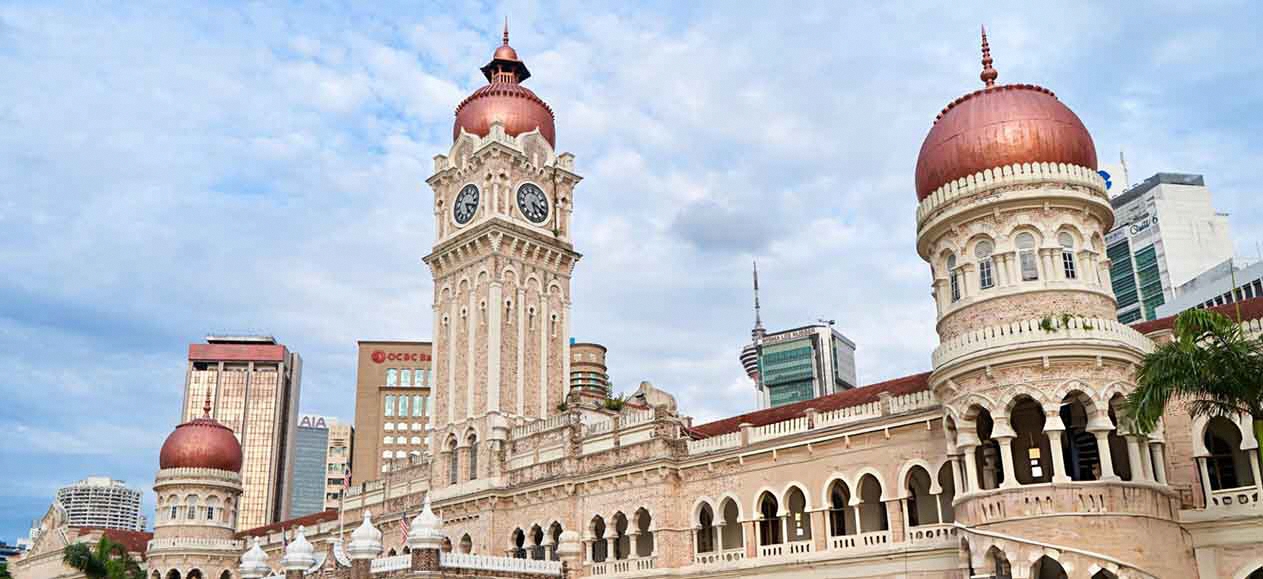
Malaysian Heritage: Traditions and Culture Worth Preserving
Key Takeaways
- Cultural heritage in Malaysia lives through our languages, customs, food,clothing, arts and everyday practices.
- Diversity in Malaysia becomes a national strength when cultural differences are understood and respected.
- Families play an important role in passing stories, recipes, languages and traditional values to younger generations.
- Malaysians can preserve their heritage by supporting local artisans, documenting family traditions and learning about cultures beyond their own.
National Month is not only a time to fly the Jalur Gemilang or remember the day Malaysia achieved independence. It is also an opportunity to reflect on the traditions, values and cultural roots that make the country feel like home.
The aroma of nasi lemak in the morning, colourful traditional attire, festive open houses, ancestral languages and family customs all tell a part of Malaysia’s story. This story is made richer by the many communities that have contributed their own histories, experiences and values to the country.
Preserving these traditions does not mean that we must live exactly as earlier generations did or resist every form of change. It means understanding the significance behind our customs and ensuring that meaningful knowledge is not gradually forgotten. When young Malaysians understand where they come from, they inherit more than cultural practices. They also develop a deeper sense of identity, belonging and respect for others.
What Makes Malaysian Heritage Unique?
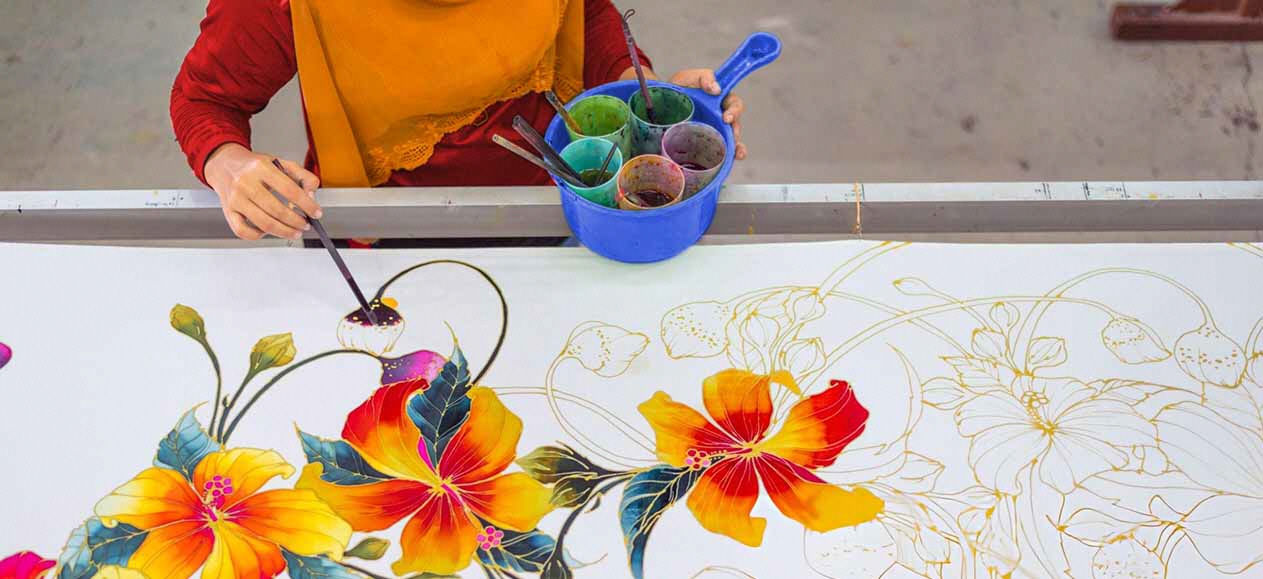
Malaysia’s cultural richness begins with its people. Malays, Chinese, Indians and the many Indigenous communities of Sabah and Sarawak have their own languages, beliefs,customs, artistic expressions and ways of life.
Within Sabah and Sarawak alone are communities such as the Iban, Bidayuh, Kadazan-Dusun, Bajau, Murut and Melanau, among many others. Even within the same ethnic community, customs and languages can differ according to family background, region and personal experience.
The same applies to the various religions in Malaysia. Islam is the religion of the Federation, while other religions may be practised in peace and harmony, as provided for in the Federal Constitution. Malaysia’s religious diversity can be seen through the presence of mosques, Hindu temples, Chinese temples, and churches, as well as the festivals celebrated by their respective communities.
However, cultural heritage in Malaysia is not confined to historical buildings, monuments or museum collections. It is also kept alive through everyday practices, including:
- languages and dialects spoken at home
- recipes passed down by parents and grandparents
- customs associated with births, marriages and festivals
- folk stories, pantun, music and traditional dances
- values such as respecting elders, helping neighbours and working together
These are forms of intangible heritage that can easily be overlooked because they are woven into daily life. According to the Department of National Heritage, Malaysia’s intangible cultural heritage includes customs and culture, performing arts, languages and literature, and fine arts. Its preservation involves research, documentation, awareness programmes and promotion among local communities.
During National Month, every Malaysian tradition reminds us that unity does not require everyone to become the same. True unity grows when we recognise our differences, treat them with respect and continue moving forward together.
How Do Food, Clothing and Festivals Keep Culture Alive?
Culture often feels most meaningful when we can see, taste, hear and experience it. This is why food, traditional clothing and festivals remain important ways ofpassing heritage between generations.
1. Food carries stories across generations
Malaysian food culture is about much more than the dishes served on a table. Behind every family recipe is a story about people, places, local ingredients and ways of life.
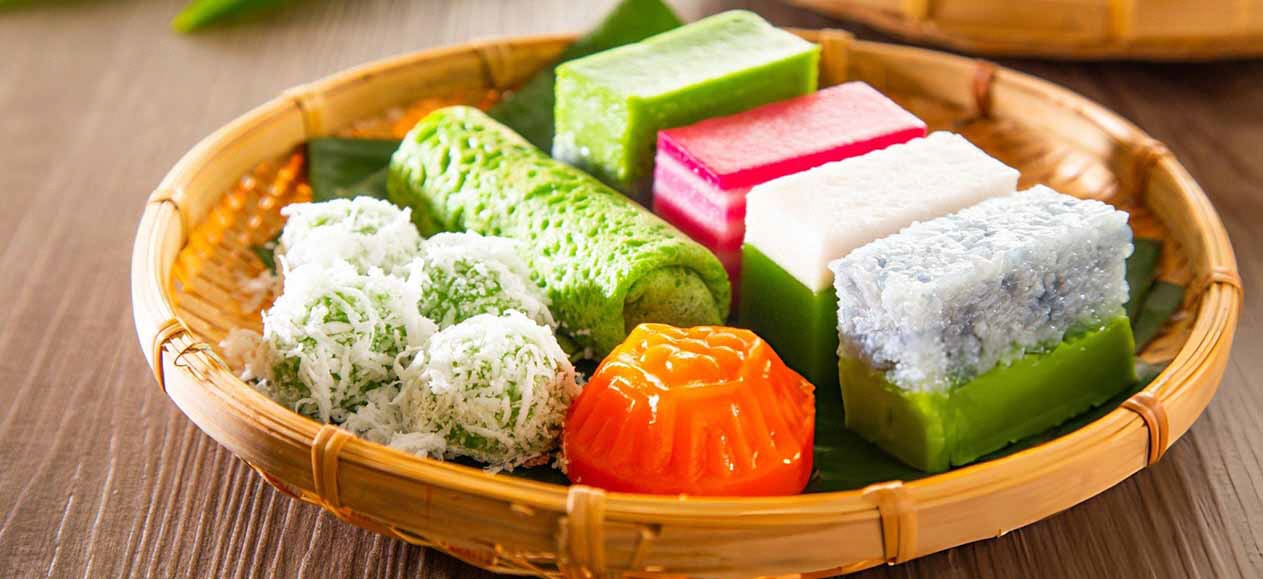
Slow-cooked rendang, mooncakes shared among family members, muruku prepared for Deepavali, hinava from Sabah and manok pansoh from Sarawak each carry their own identity. These dishes can bring back memories of a family’s kitchen, festive gatherings and time spent preparing food with loved ones.
In 2024, Malaysia’s breakfast culture was inscribed on UNESCO’s Representative List of the Intangible Cultural Heritage of Humanity. The practice includes familiar staples such as nasi lemak, roti canai and teh tarik, as well as the shared experience of people from different communities gathering for a morning meal.
This recognition shows why Malaysian food culture matters beyond taste or tourism. Food creates spaces where people can meet and connect. Sometimes, unity begins with something as simple as sitting at the same table, sharing a meal and having a conversation without allowing differences to stand between us.
2. Traditional clothing reflects identity and craftsmanship
Traditional clothing expresses history, creativity and skills passed down over generations. The baju kurung, baju Melayu, saree and cheongsam each have distinct forms, materials and cultural meanings. Traditional attire from Sabah and Sarawak can also feature intricate beadwork, weaving, embroidery and motifs associated with particular communities.
The keyword Malaysian culture outfit may be used online to describe this traditional clothing. However, every outfit has its own name and cultural context. Learning these details allows us to appreciate the attire as a meaningful cultural expression rather than simply as a colourful costume.
In 2024, the knowledge, skills, traditions and practices associated with the kebaya were added to UNESCO’s Representative List of the Intangible Cultural Heritage of Humanity. The recognition highlights that the kebaya is not merely a garment. It also represents skills, knowledge and social practices that continue to be passed down.
Although a Malaysian cultural outfit may be worn during a celebration, formal event or cultural programme, preserving traditional attire should not be limited to wearing it on special occasions. Learning how it is made, understanding its motifs and supporting local tailors, weavers and textile artisans are equally important.
3. Festivals create opportunities for understanding
Hari Raya Aidilfitri, Chinese New Year, Deepavali, Christmas, Kaamatan and Gawai carry different meanings for the communities that celebrate them. At the same time, Malaysia’s open-house culture allows people to visit one another, enjoy traditional food and learn about customs beyond their own backgrounds.
Attending a cultural festival in Malaysia can introduce younger generations to traditional music, dance, clothing, crafts and food. More importantly, it allows them to meet the people who continue to practise and preserve these traditions.
Respect remains essential. Different religions and communities may observe different customs, dietary requirements and rules concerning clothing or places of worship. Asking polite questions and learning the proper etiquette before taking part demonstrate genuine cultural appreciation.
Through these experiences, young Malaysians learn that diversity in Malaysia is not merely a fact found in a textbook. It is a lived reality that must be understood, protected and celebrated with care.
How Can Malaysians Preserve Heritage in Everyday Life?
Heritage cannot survive through official recognition alone. It must be practised, learned and passed on. When a language is no longer spoken, a recipe is never recorded or a traditional skill is not taught to another person, part of thatheritage may slowly disappear.
Here are several ways Malaysians can help keep it alive:
- Share family stories. Tell younger family members about their ancestry, the lives of earlier generations and the meaning behind important customs.
- Learn traditional recipes. Cook with parents or grandparents and record the ingredients, methods and personal memories associated with each dish.
- Use ancestral languages. A language carries a community’s humour, knowledge and way of seeing the world. Speaking it at home can help it remain relevant.
- Support cultural practitioners. Purchase crafts directly from local artisans, attend traditional performances and participate in community cultural programmes.
- Document living heritage. Photographs, videos, voice recordings and written accounts can preserve stories that may never appear in history books.
- Learn about other cultures. Cultural appreciation begins with respectful curiosity and a willingness to listen.
Schools and workplaces can also create opportunities for people to share their cultural backgrounds. These activities become more meaningful when participants do more than wear traditional clothing or sample festive food. They should also learn about the history, values and communities behind these cultural expressions.
When learning about different communities, it is important to avoid treating any group as if all its members share exactly the same experience. People from the same ethnic background may have different languages, family customs and beliefs. Listening to individual experiences helps us understand culture in a more honest and human way.
Heritage also continues to evolve. A Malaysian tradition can adapt to modern life without losing its essential meaning. Family recipes can be stored digitally, traditional performances can reach new audiences online and younger people can use social media to share their ancestral languages.
UNESCO’s listings demonstrate the breadth of Malaysia’s living heritage. Recent inscriptions include Mek Mulung in 2023, the kebaya and Malaysian breakfast culture in 2024, and pantun in 2025. Together, they show that the nation’s heritage includes performing arts, clothing, food and literature, all of which depend on communities to remain alive.
The Heritage That Makes Malaysia Our Shared Home
National Month reminds us that independence is not only about having the freedom to determine our country’s future. It also brings the responsibility to protectthe values and traditions that shape our identity.
Our customs, languages, festivals, food, clothing and community values are all irreplaceable parts of cultural heritage in Malaysia. They make diversity in Malaysia a source of richness rather than a barrier between communities.
Let us preserve our heritage not only during National Month, but also in our everyday lives. Ask an older family member to share their story. Learn a treasured recipe. Attend a traditional performance. Visit a cultural festival in Malaysia or speak to a neighbour from a different cultural background. These actions may appear small, but their effects can continue across generations.
Alongside protecting our cultural heritage, we also have a responsibility to safeguard the well-being of those who will carry it forward. Financial planning and protection through personal takaful can help families prepare for unexpected circumstances, giving them a stronger foundation on which to continue their lives and build their future.
By appreciating Malaysia’s traditions and planning for our family’s protection, we can help the next generation inherit more than the story of independence and a rich cultural identity. We can also give them a greater sense of security and confidence as they move forward. To learn more about protection options that may suit you and your loved ones, contact a Great Eastern Takaful advisor for further information.