



Community Giving and Volunteerism for Lasting Impact
Learn how community giving creates lasting impact &how volunteerism benefits the community through partnerships, financial literacy and environmental action.
Key Takeaways
- Community giving can include money, time, skills, knowledge and access to useful resources or opportunities.
- Volunteer work becomes more meaningful when it responds to genuine community needs and encourages long-term relationships.
- Community programmes can do more than meet immediate needs by building skills, confidence and local capabilities.
- The success of a charitable initiative should consider the change it creates, not only the amount donated or number of participants.
Observed every year on 5 September, International Day of Charity reminds us that generosity can take many forms. Some people choose to donate money or essential items, while others give their time, energy or skills through volunteer work. The United Nations recognises charity and volunteer activities as important ways to mobilise people and organisations to help others and respond to humanitarian needs.
Yet the value of giving should not be measured only by the amount donated or the number of people who join a campaign. Support that meets an immediate need can make a real difference today, but thoughtful giving can achieve much more. It can create opportunities, build knowledge, connect people with useful resources and help communities become better prepared for the future.
This is what makes community giving so meaningful. When we listen before acting, work alongside local communities and continue supporting what people genuinely need, a simple act of generosity can grow into something with a much longer-lasting impact.
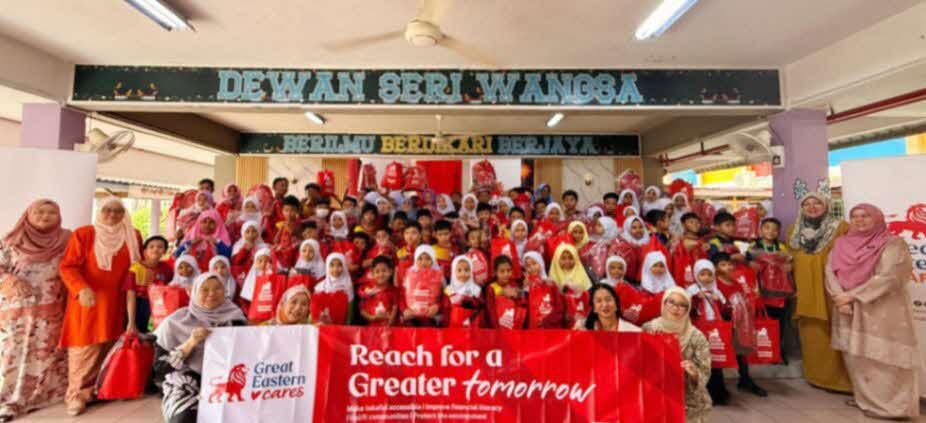
For Great Eastern Takaful, supporting stronger communities forms part of a wider purpose to help people reach a greater tomorrow. Through Great Eastern Cares, its community efforts span financial literacy, wider access to takaful protection, quality-of-life improvements, and environmental responsibility. These areas recognise that stronger communities are built not only through financial assistance, but also through knowledge, access, healthier living environments and opportunities for people to move forward.
What Is Community Giving?
Community giving refers to individuals, businesses or organisations contributing resources to address needs, ease difficulties or create opportunities that can improve the well-being of a community.
Giving does not always have to involve money. Contributions may include:
- food, clothing and other essential supplies;
- time and energy as a volunteer;
- professional expertise and knowledge;
- educational or career mentorship;
- facilities and equipment;
- access to technology; and
- networks that connect people to new opportunities.
The willingness to help others is already evident in Malaysia. According to the World Giving Index 2024 by the Charities Aid Foundation, Malaysia ranked 20th in the index. Among Malaysian respondents, 62% had helped a stranger, 52% had donated money and 36% had volunteered.
These figures show that generosity is already part of how many Malaysians engage with the people around them. The more important question is how that willingness to give can be translated into support that meets a community's actual needs.
During a flood or another emergency, for example, affected families may urgently need food, clothing and temporary shelter. These forms of assistance matter and can provide much-needed relief.
However, once the immediate situation improves, other challenges may remain. Some families may need access to employment opportunities. Students may require educational support. Other communities may face difficulties accessing health information, technology or services that could improve their quality of life.
This is where a more thoughtful approach to giving back to the community becomes important. Instead of deciding what people need from the outside, start by asking a simple question: what does this community actually need?
Residents should not be treated only as recipients of assistance. They understand their own experiences, strengths and challenges more closely than anyone else. Giving them an opportunity to share their needs and contribute ideas helps initiatives to be developed with communities rather than simply for them.
That approach can make assistance more relevant while also building trust, shared responsibility and a stronger sense of ownership.
How Does Volunteerism Benefit the Community?
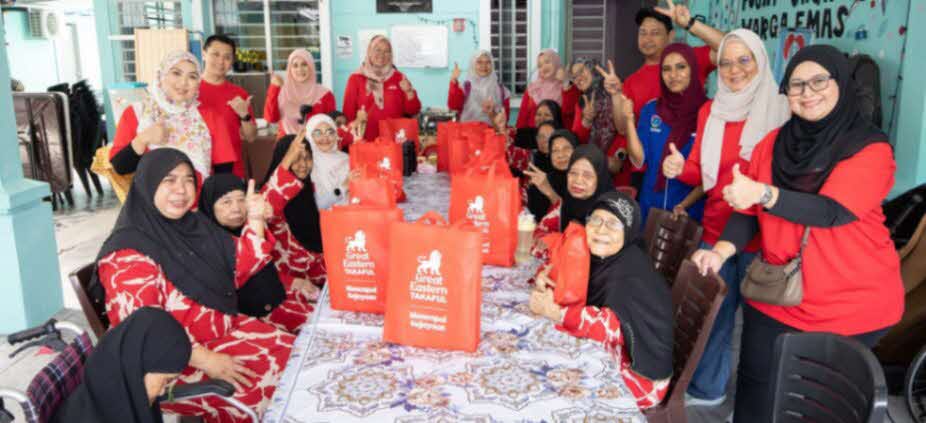
When discussing how does volunteerism benefit the community, it is useful to look beyond the number of volunteer hours contributed. Volunteers bring something just as valuable as financial resources: people, knowledge, skills and relationships.
They can help community organisations reach more people, provide expertise that may not otherwise be available and offer additional support for existing initiatives.
Volunteering does not always require highly specialised knowledge either. A university student may help children improve their reading skills. Someone working in finance may share basic money management knowledge. A person who is comfortable with technology could help older adults understand how to use essential online services more confidently.
Volunteerism also happens on a much larger scale than many people realise.
The United Nations Volunteers' 2026 State of the World's Volunteerism Report, published in December 2025, estimates that approximately 2.1 billion people worldwide volunteer every month, representing 34.5% of the global working-age population. It also found that informal volunteering, at 25%, occurs at more than twice the rate of formal organisation-based volunteering, at 11.7%.
This informal support can include everyday acts of assistance within neighbourhoods and communities, showing that volunteerism does not always need to take place through a large organised campaign.
But how does volunteerism benefit the community beyond completing a particular task?
When people from different backgrounds work together, they gain opportunities to understand experiences and challenges they may not encounter in their everyday lives. Volunteers can develop a better understanding of community issues, while residents may gain access to useful knowledge, skills or networks.
The strongest relationships work both ways. A volunteer may have professional knowledge to share, but community members possess lived experience and local understanding that cannot simply be replaced by outside expertise. Good volunteer programmes give both sides the opportunity to listen, contribute and learn from one another.
The 2026 UN Volunteers report also highlights the importance of looking beyond participation numbers when evaluating volunteerism. Its measurement framework considers areas such as individual well-being, skills, social cohesion, community resilience and wider systems that support volunteering.
In other words, meaningful volunteer work does not necessarily end when an event finishes. At its best, it leaves behind knowledge, stronger relationships or capabilities that a community can continue to build upon.
How Great Eastern Cares Supports Stronger Communities
This broader approach to giving back to the community can also be seen across our community initiatives, where financial knowledge, health, protection, education and environmental responsibility are often brought together rather than treated as separate needs.
- UiTM Programme Khidmat Masyarakat & Jelajah Mega CEO@Faculty 2026: Great Eastern Takaful supported the Orang Asli community in Kampung Pian and students from SK Penderas through personal hygiene assistance, financial literacy, environmental education and hands-on recycling and upcycling activities.
- mySalam 3K Carnival at Pulau Bum Bum 2025: The programme brought together financial literacy, free health screenings, school and food assistance, environmental education, recycling activities and tree planting for the island community.
- Ziarah Prihatin 2024: Great Eastern Takaful worked with the Orang Asli community at Sungai Gabong on health, hygiene, protection awareness, tree planting and practical upcycling activities.
- Energy and Clean Water for Orang Asli Communities: An earlier initiative in Kampung Sungai Gabong and Kampung Kepong installed solar-powered lighting and water-purification systems, showing how community support can also address longer-term infrastructure needs.
Together, these efforts show how community support can respond to immediate needs while also building knowledge, access and resources that remain useful beyond a single activity.
How Can Charity Create Lasting Impact?
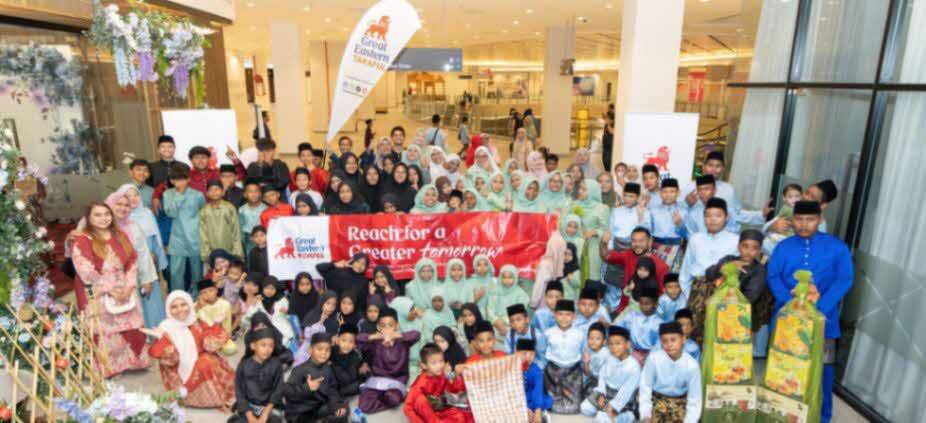
Not every challenge can be addressed through one fundraising campaign, one donation drive or a single day of volunteering.
There are times when one-off support is exactly what people need, particularly during emergencies. However, longer-term issues involving education, employment opportunities, digital inclusion or social development often require consistent effort.
There are several ways individuals and organisations can help their contributions go further.
1. Understand the problem before deciding on the solution
Good intentions work best when they are accompanied by a clear understanding of what is actually needed.
Instead of deciding in advance what to donate or which activity to organise, speak with the organisation or community involved. Items that are not needed can create storage and disposal problems, while well-intentioned activities may use considerable time without addressing the underlying issue.
Sometimes the most useful first step is simply to listen.
2. Work with people who understand the community
Local organisations, community groups and community leaders usually have a deeper understanding of the issues affecting the people they serve.
Working with them can help ensure resources are directed towards genuine priorities. It can also prevent organisations from developing solutions that appear useful from the outside but are difficult to sustain in everyday life.
3. Balance immediate assistance with building capabilities
Meeting today's needs remains important. Where possible, however, it is also worth considering what could help someone tomorrow.
Providing computers to a community centre, for instance, can address a practical need. Combining them with digital skills training may allow more people to use those resources confidently and independently.
Similarly, financial support can enable a community organisation to run an important programme. Providing training in areas such as administration, technology or communications could also strengthen the organisation's ability to continue its work over time.
This is one reason community giving can have a greater impact when assistance and capability-building are combined.
4. Build relationships rather than one-off activities
A recurring community programme gives volunteers and organisations the opportunity to understand how needs change over time.
It also allows programmes to improve based on feedback and creates space for trust to develop between those providing support and those receiving it.
This does not mean every volunteer must commit for years. Continuity can come from a wider network of volunteers, partner organisations and local residents who share responsibilities and keep an initiative moving forward. Approaching giving back to the community in this way changes the relationship from a single transaction into an ongoing partnership.
5. Measure the changes that really matter
Participation numbers, volunteer hours and the amount of money raised are still useful measures. But they tell only part of the story.
The UN Volunteers report recommends looking more broadly at the value volunteering creates for both individuals and communities. This can include combining quantitative information with people's experiences to better understand what changed as a result of an initiative.
For a community programme, more meaningful questions might include:
- Did participants gain useful new skills?
- Do more people now have access to services or opportunities?
- Does the community feel more confident continuing the initiative independently?
- Have stronger relationships or support networks been created?
When success is viewed through changes like these, charity becomes less about what was given and more about what people were able to build together.
Small Acts of Giving Can Become Something Greater
International Day of Charity reminds us that generosity is not defined by the size of a contribution. For one person, giving may begin with a small donation. For someone else, it might mean spending a few hours volunteering, sharing a useful skill or connecting an organisation with someone who can help. What often separates temporary assistance from lasting change is how we choose to give.
When community giving is supported by listening, respect for local knowledge and a commitment to strengthening people's capabilities, its value can extend far beyond the original contribution. Volunteerism can similarly become more than an act of service when it creates relationships, knowledge and opportunities that continue to benefit a community. We may not be able to solve every challenge with one action. However, each thoughtful contribution can play a part in building communities that are more connected, supportive and resilient.
Giving is not simply about what we part with today. Sometimes, it is about what we help others build for tomorrow. Learn more about how Great Eastern Cares supports communities through financial literacy, wider access to takaful protection, initiatives that improve quality of life and environmental action.
Frequently Asked Questions
- How can I check an organisation before making a community giving donation?
Review its official website, registration details, recent activities and information about how donations are used. You can also ask how funds or items will be distributed and whether the organisation provides updates on its programmes. Avoid transferring money to an unverified personal account. - Can small businesses start giving back to the community without a large budget?
Yes. Small businesses can contribute time, facilities, professional knowledge or services instead of making large financial donations. A business could, for example, provide mentoring, workshops or relevant professional support to a community organisation. - How can parents introduce volunteer work to children?
Start with age-appropriate activities such as sorting usable items for donation, helping with neighbourhood activities or participating in family volunteering opportunities. Explain why the activity matters so that children understand empathy and responsibility rather than seeing volunteering simply as another task. - Are all used items suitable for donation?
No. Donated items should still be clean, safe and usable. Check an organisation's current needs before sending anything, as unwanted or damaged goods may create additional storage, sorting and disposal work for the recipient. - How do I choose a volunteer opportunity that suits my schedule?
Consider how much time you can realistically commit, the location, the type of work involved and whether ongoing participation is expected. If your schedule is limited, look for short-term or remote volunteering opportunities. A realistic commitment that you can honour is often more useful than agreeing to something you cannot sustain.
Reference:
- https://www.cafonline.org/docs/default-source/inside-giving/wgi/wgi2024.pdf
- https://www.unv.org/sites/default/files/The%202026%20SWVR%20Web%20Version.pdf
- https://knowledge.unv.org/evidence-library/state-of-the-worlds-volunteerism-report-2026
- https://malaysia.un.org/en