



ESG Sustainability & Climate Resilience in Malaysia
Why is sustainability important for Malaysia's future? Learn how ESG sustainability, ESG compliance & climate resilience build a resilient nation.

Building a Resilient Nation: Sustainability as a Shared Responsibility
Key Takeaways
- Sustainability encompasses environmental protection, social well-being and responsible economic development to ensure long-term prosperity for current and future generations.
- A resilient nation is built through strong collaboration among government, businesses, communities and individuals in addressing present and future challenges.
- ESG practices help organisations manage their environmental, social and governance impacts responsibly, transparently, and sustainably.
- Small, consistent actions can drive meaningful change when adopted collectively across society.
National Month is a meaningful time for us to celebrate the progress, unity and shared identity that define us as Malaysians. The proudly flying Jalur Gemilang stands as a symbol of the struggles, sacrifices, and spirit of past generations who worked tirelessly to build an independent, peaceful, and sovereign nation.
However, the spirit of Merdeka should not be confined to annual celebrations and national symbols alone. It also calls for a shared responsibility to safeguard the nation’s well-being, strengthen community resilience, and protect the environment for a more sustainable future. By doing so, we can ensure that this valuable legacy continues to be enjoyed by generations to come.
As Malaysia continues to move forward, national progress must be balanced with environmental sustainability, social well-being and responsible economic development. Challenges such as climate change, excessive resource consumption and raising waste generation are no longer distant concerns. Their effects are increasingly evident in our daily lives through unpredictable weather patterns, higher living costs, disruptions to livelihoods and greater risks to the health and well-being of communities.
In addressing these challenges, building a more resilient Malaysia requires the commitment and collaboration of all stakeholders. Governments, businesses, communities and individuals each have an important role to play in driving meaningful change. While responsibilities may differ, the shared goal remains the same to ensure that the nation we cherish remains strong, secure and sustainable for the well-being of both present and future generations.
What Does Sustainability Mean in Nation-Building Today?
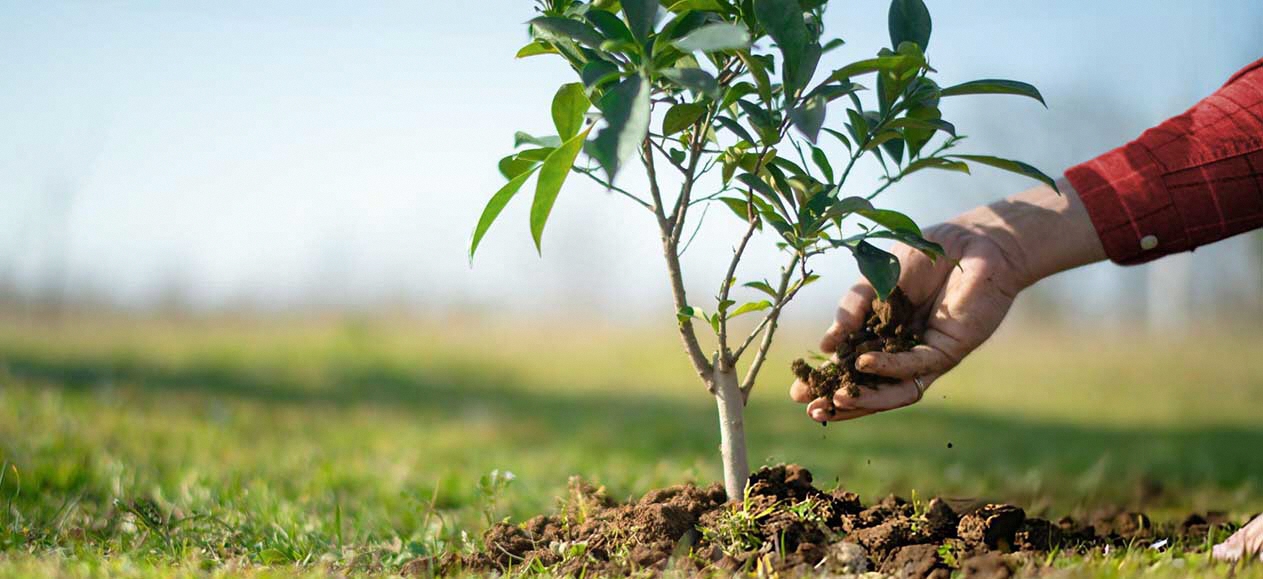
Sustainability is often associated with activities such as tree planting, recycling or reducing plastic use. While these efforts are important, the concept of sustainability extends far beyond these actions and encompasses many aspects of daily life and national development.
In the context of nation-building, sustainability refers to how development is planned, how resources are utilised, and how the well-being of citizens is safeguarded without compromising the ability of future generations to meet their own needs. It requires a careful balance between economic growth, social harmony and environmental protection.
For example, urban development can create employment opportunities, stimulate economic activity, and improve living standards. However, without sustainable planning, rapid development can also lead to the loss of green spaces, pollution and greater pressure on critical resources such as water and energy supplies. True progress, therefore, is not simply about building more infrastructure, but about developing communities and economies in a smarter, more balanced and responsible manner.
This is where the Sustainable Development Goals (SDGs) play an important role. The SDGs provide a global framework for addressing a wide range of challenges, including poverty, education, health, equality, responsible resource consumption, and environmental protection. According to the Department of Statistics Malaysia, the Malaysia Sustainable Development Goals Indicators Report 2024 includes 205 national-level indicators, with 82% of SDG indicators available to measure Malaysia’s progress towards achieving the 2030 Agenda. This highlights that sustainability is not merely an aspiration, but a development agenda that can be measured, monitored and continuously assessed.
Understanding the Sustainable Development Goals also helps us recognise the close connection between environmental protection and societal well-being. Clean air supports better health outcomes, while well-managed water resources are essential for sustaining lives and economic activities. Likewise, inclusive communities ensure that the benefits of development are shared more equitably across all segments of society.
In conjunction with National Month, embracing sustainability can be viewed as a meaningful expression of our appreciation for the nation. Beyond celebrating the achievements of the past, we also share a collective responsibility to ensure that future generations inherit a Malaysia that is more sustainable, resilient, and prosperous.
How Can Shared Responsibility Strengthen Malaysia’s Future?
Nation-building has never been the responsibility of a single party. While government policies help shape the country’s development agenda, their success depends on the active participation of businesses, communities and the public.
Malaysia’s National Climate Change Policy 2.0 outlines the country’s commitment to transitioning towards a low-carbon economy while strengthening national resilience against the impact of climate change. The policy includes five strategic thrusts, 15 strategies and 92 key actions. However, its success ultimately depends on how these initiatives are translated into meaningful action at the grassroots level.
The business sector, for example, plays a significant role in influencing energy consumption, resource management, employee welfare, and impacts on local communities. As a result, Environmental, Social and Governance (ESG) practices are receiving increasingly attention among organisations across Malaysia.
In business context, ESG initiatives may include:
- Reducing energy consumption and waste generation
- Safeguarding employee health, safety and well-being
- Implementing responsible procurement practices
- Creating a fair and inclusive workplace
- Ensuring transparency in corporate decision-making and reporting
Responsible ESG practices can help organisations identify risks, enhance accountability and better prepare for long-term challenges. ESG compliance also encompasses sustainability reporting, requirements, sound governance practices, and the disclosure of relevant sustainability-related information.
In 2024, the Securities Commission Malaysia launched the National Sustainability Reporting Framework (NSRF) to enhance the transparency, accountability and comparability of corporate sustainability disclosure. This development reflects the growing importance of sustainability in how organisations assess risks, plan for growth and build stakeholder confidence.
However, shared responsibility extends beyond policy or corporate initiatives. Communities can also drive meaningful change through efforts such as neighbourhood clean-up programmes, community gardens, recycling initiatives, environmental education activities and local conservation projects.
When every stakeholder understands and fulfils their role, sustainability efforts become more than isolated actions. Instead, they form part of a collective movement that supports economic progress, social well-being and stronger environmental stewardship, contributing to a more resilient and sustainable future for Malaysia.
What Daily Actions Can Help Build a More Resilient Malaysia?

Sustainability challenges can sometimes seem too large for one person to address. However, changes in society often begin with small actions that are practised consistently over time.
Here are several steps that we can incorporate into our daily lives:
1) Reduce Waste Generation
Plan purchases carefully, reuse items that are still in good condition and separate recyclable materials whenever possible. Reducing food waste not only helps save money but also decreases the amount of waste sent to landfills.
2) Use Energy and Water More Wisely
Switch off lights and electrical appliances when they are not in use, choose energy-efficient products, and check for water leaks at home. These small habits can help conserve valuable resources while reducing household expenses.
3) Consider the Impact of Each Purchase
Before buying something, consider whether it is genuinely needed, whether it can be used for a long time and whether there are alternatives that generate less waste. Responsible consumption does not mean avoiding purchases altogether, but making more informed and mindful choices.
4) Be prepared for Weather-Related Disruptions
The impact of climate change can vary depending on location and local circumstances. Families can prepare by developing an emergency plan, keeping important contact numbers accessible, identifying evacuation routes and ensuring that essential documents are easily retrievable in the event of floods or other emergencies.
Businesses can assess risks affecting their employees, premises, supply chains and operations. By implementing clear preparedness measures, organisations can minimise disruptions, strengthen climate resilience, and recover more effectively from unexpected events.
Rather than reacting only after a crisis occurs, climate resilience is about anticipating risks, adapting to changing conditions and strengthening the ability of communities and organisations to recover from disruptions.
5) Make Sustainability part of Everyday Conversations
Discuss topics such as energy conservation, waste management and environmental stewardship with family members. Schools, workplaces and residents’ associations can also provide platforms for sharing knowledge and organising activities that promote sustainable living.
We do not need to wait until we are able to make a large-scale impact to contribute. Participating in a local initiative, supporting conservation efforts or sharing information from credible sources are all meaningful first steps towards positive change.
Every action, no matter how small, contributes to a collective effort, demonstrating why sustainability is important at both the individual and national levels. While a single habit may seem insignificant on its own, its impact grows when adopted by families, workplaces, and communities across the country. Together, these everyday choices can drive meaningful change and help build a more resilient and sustainable Malaysia for future generations.
Sustainability for a Stronger Malaysia
National Month reminds us that Malaysia was built through courage, cooperation and a shared sense of hope. These same values remain essential as we navigate the challenges of the future.
Sustainability is not limited to protecting trees, rivers or wildlife. It is also about safeguarding community well-being, strengthening livelihoods, managing risks and ensuring that national development continues in a responsible and sustainable manner over the long term.
An individual action may seem small. However, when millions of Malaysians make more responsible choices every day, the collective effect has the potential to shape a stronger and more sustainable future for the nation.
By recognising the important of environmental sustainability in Malaysia, supporting responsible ESG compliance and building climate resilience, we can help build a Malaysia that is not only prosperous, but also more prepared, united and resilient.
Love for our country can be expressed through the way we care for it. This National Month, let us carry the spirit of Merdeka forward by embracing our shared responsibility to build a more sustainable Malaysia for present and future generations.
Frequently Asked Questions
- How can young people support the Sustainable Development Goals (SDGs)?
Young people can contribute by participating in community projects, developing innovative solutions to local challenges, volunteering for environmental or social initiatives and creating educational content based on reliable sources. They can also incorporate sustainability considerations into their educational choices, career paths or everyday lifestyles. - How can consumers identify misleading environmental sustainability claims?
Consumers should look for claims that are supported by clear evidence, accessible data, recognised certifications, or transparent reporting. It is important to exercise caution when broad terms such as “green”, “natural” or “eco-friendly” are used without explaining the product’s actual environmental benefits or providing supporting information. - How can public transport support environmental sustainability in Malaysia?
Public transportation can help reduce the number of private vehicles on the road, lowering fuel consumption, carbon emissions and traffic congestion. Walking, cycling or carpooling for suitable journeys may also contribute to a more sustainable and environmentally responsible future. - How can communities celebrate National Month more sustainably?
Communities can adopt more sustainable practices by reusing decorations, reducing disposable items, providing waste-separation facilities and choosing durable materials for local events and activities. Celebrations can also be complemented by community clean-up programmes or tree-planting initiatives, allowing national pride to be expressed through environmental stewardship. - How can families measure their sustainability progress at home?
Families can track their electricity and water consumption through monthly utility bills, while also monitoring the amount of household waste generated, food waste produced or spending on disposable products. Selecting simple, measurable indicators and reviewing them regularly can help families assess their progress and identify opportunities for further improvement.
Reference:
- Department of Statistics Malaysia (2025), Sustainable Development Goals Indicators, Malaysia, 2024
- Ministry of Natural Resources and Environmental Sustainability (2024), National Policy on Climate Change 2.0
- Securities Commission Malaysia (2024), National Sustainability Reporting Framework