



Mindful ramadan shopping: online shopping tips to avoid overspending & scams
Ramadan encourages us to slow down and practise moderation. Shop mindfully with our online shopping tips to avoid overspending and stay safe from scams. Read more!

Key Takeaways
- Plan your Ramadan and Raya spending before browsing online.
- Use tips to avoid overspending, such as setting a strict budget and prioritising essentials.
- Follow the top 10 tips for safe online shopping to protect yourself from scams.
- Keep financial protection in place to safeguard against unexpected losses.
Ramadan encourages us to slow down, reflect, and practice moderation. However, online shopping during this time can be tricky, as flash sales and special deals often tempt us to spend more than we intended.
You don’t have to stop shopping, but it helps to shop with purpose. Using smart online shopping tips and staying within your budget can help you prepare for
Ramadan and Raya without extra stress or regret. With good habits, your Ramadan shopping can stay meaningful, manageable, and true to the spirit of the month.
Buy with purpose: need first, not trend
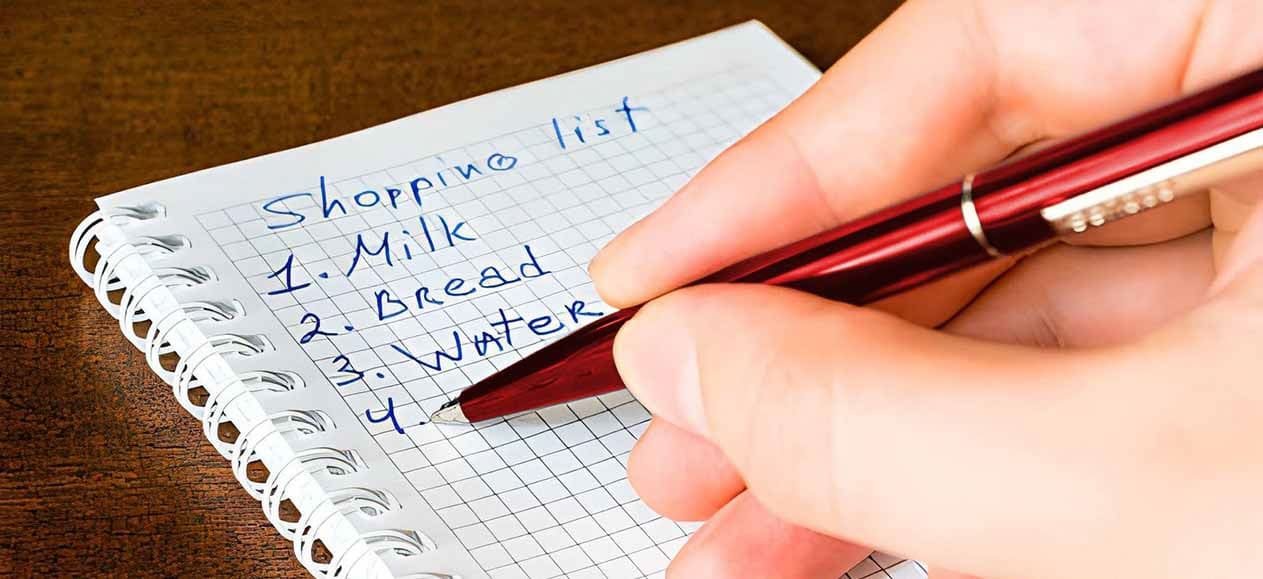
Before you click “add to cart,” take a moment to ask yourself if you really need the item or if it just looks tempting. Shopping with a clear intention is one of the best tips to avoid overspending.
Here are some tips for shopping wisely that can be practised:
- Start by listing your essentials, like groceries, household items, and Raya basics.
- Set a realistic Ramadan budget that won’t affect your commitments for next month.
- Choose quality over quantity, since durable items usually save you money over time.
- Remember, you don’t have to replace everything, like outfits, decorations, or gadgets, to have a meaningful celebration.
Ramadan is about moderation, so try to let your spending show that too.
Shop smarter online: Trusted platform & safe practices
Online shopping is very convenient, especially when you’re busy preparing for Ramadan. But buying things quickly online can also make you more likely to run into scams, fake sellers, or misleading deals. By following the top 10 tips for safe online shopping, you can avoid mistakes and make your Ramadan shopping easier and safer.
Scammers often target festive seasons, knowing people are looking for good deals. Flash sales and big discounts can make you feel rushed to buy without checking carefully. If you slow down and use smart online shopping habits, you can lower your risk of losing money or feeling stressed.
According to Bank Negara Malaysia, consumers should only transact on secure platforms and stay alert against phishing attempts and fake promotions. Similarly, CyberSecurity Malaysia advises shoppers to verify seller authenticity and avoid deals that appear “too good to be true”.
Staying alert isn’t about being afraid; it’s about being responsible. Safe habits are important for mindful and responsible shopping during Ramadan.
Here are the top 10 tips for safe online shopping :
- Shop on established e-commerce platforms with secure payment gateways and verified systems.
- Purchase from official brand stores or authorised sellers to ensure product authenticity.
- Check seller ratings and read buyer reviews before making a decision.
- Review return, exchange and refund policies carefully, especially for high-value items.
- Compare prices across multiple platforms instead of rushing into “flash sale” pressure.
- Avoid clicking suspicious links sent via SMS, email or social media.
- Never share your OTP, banking PIN or full card details with anyone.
- Enable two-factor authentication (2FA) for added account security.
- Keep proof of payment, receipts and order confirmations for reference.
- Monitor your bank statements regularly to detect unauthorised transactions early.
By following these simple steps, you protect your money and ensure your Ramadan preparations remain meaningful and free of avoidable problems.
Protect your money from losses and life's surprises

Even if you plan carefully, things can still go wrong. You might get the wrong items, face delivery delays, or run into online scams that affect your budget.
To stay prepared:
- Keep proof of payment, invoices and chat records.
- Set aside a little extra money for unexpected Ramadan expenses, like medical needs, car repairs, or family emergencies.
- Monitor your bank statements regularly for suspicious activity.
Financial protection is important because life keeps going during Ramadan. If you’re not prepared, an unexpected problem can make things harder.
Takaful offers a safety net based on mutual help and shared responsibility. With the right protection, you can focus on what matters most: your faith, your family, and your peace of mind.
Shop with intention this ramadan
Smart spending isn’t about being strict; it’s about making thoughtful choices.
This Ramadan, try to practice moderation in both your daily habits and your spending. Use these tips to avoid overspending, shop safely, and protect what you’ve worked hard for.
Check out Great Eastern Takaful’s protection options and talk to a Takaful Advisor if you’d like to learn more. True peace of mind comes from knowing your plans are protected, even when life changes suddenly.