



Plastic Pollution: How to Reduce Plastic Waste & Go Plastic-Free
Learn about plastic pollution, its effects, biodegradable plastic alternatives and practical ways to reduce plastic waste for a more sustainable future.
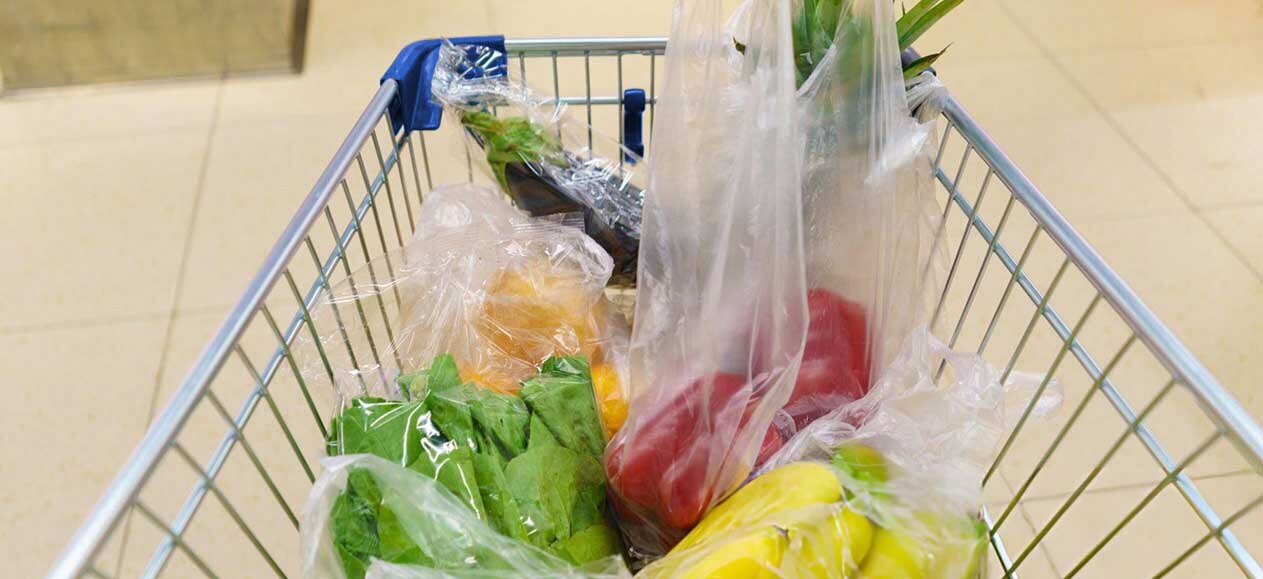
Small Changes, Big Impact: Advancing a Plastic-Free Future
Key Takeaways
- Plastic pollution continues to pose growing environmental challenges, affecting ecosystems, communities, and future generations.
- Microplastics have been found in a wide range of environments, highlighting that the impact of plastic pollution is far more extensive and complex than what is visible to the naked eye.
- Small lifestyle changes, such as reducing single-use plastic consumption and choosing reusable alternatives, can contribute to meaningful environmental progress.
- Collective action from individuals, communities, and organisations can help support a more sustainable and plastic-free future.
However, despite the convenience it offers, excessive plastic use has led to growing environmental consequences. As global plastic production and consumption continue to rise, plastic pollution has emerged as a growing challenge with far reaching implications. This has driven governments, businesses, and communities worldwide to rethink how plastic is produced, used, and managed to support a more sustainable future.
In conjunction with Plastic-Free Movement Day, it serves as timely reminder to reflect on our daily consumption habits and consider how small but consistent actions can contribute to a cleaner and more sustainable future. While the journey towards a plastic-free society may take time, every positive step has the potential to create lasting change for both people and the planet.
Why Is Plastic So Hard to Avoid?
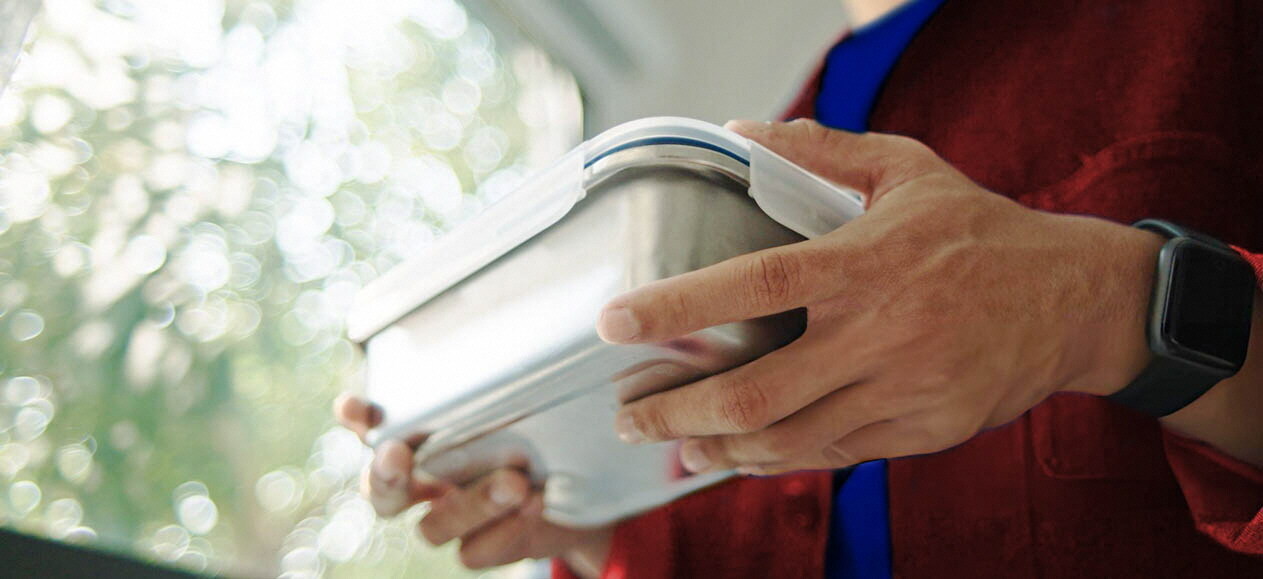
Plastic remains one of the most widely used materials in the world due to its affordability, durability, and versatility. Its ability to protect products, extend shelf life, and support efficient storage and transportation has made it an essential component across numerous industries.
Today, plastic is deeply embedded in everyday life and is commonly used in a wide range of activities, including:
- Food and beverage packaging
- Online shopping and delivery packaging
- Takeaway containers• Personal care and household products
At the same time, the widespread use of single-use plastic products has become deeply embedded in modern lifestyles. Items designed for convenience and short-term use can remain in the environment for decades or even centuries before breaking down completely.
As a result, many consumers may not realise the extent to which they depend on plastic in their daily routines. Understanding this reliance is often the first step towards making more informed, responsible and sustainable choices.
What Are Microplastics?
Beyond visible plastic waste lies another environmental concern that has increasingly attracted global attention which is microplastics.
Microplastics are tiny plastic particles, typically less than 5 millimetres in size, that are created when larger plastic materials gradually break down over time. They can also originate from synthetic clothing fibres, certain cosmetic products, and various industrial processes.
Due to their microscopic size, these particles are difficult to detect and remove from the environment. Research has found microplastics in oceans, rivers, soil, and even the air, demonstrating how extensively they have spread throughout natural ecosystems.
Their presence serves as a reminder that plastic pollution extends beyond visible litter and may have far-reaching implications for environmental sustainability.
How Does Plastic Pollution Affect People and the Environment?
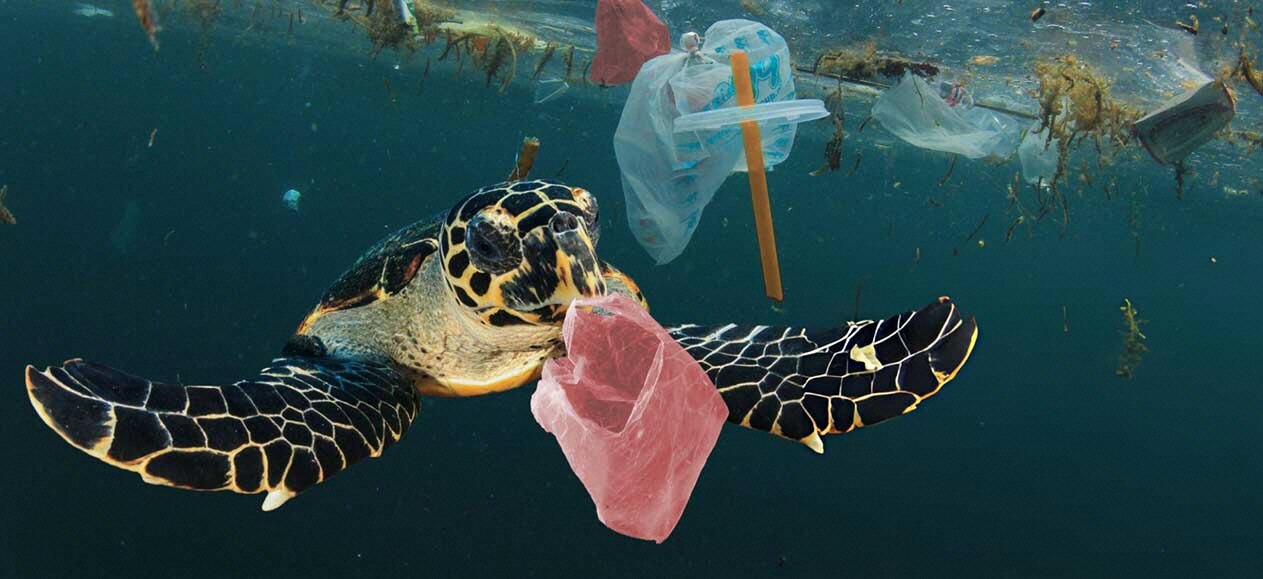
When plastic waste is not properly managed, it can enter waterways, rivers, and oceans. Where it may disrupt ecosystems and threaten wildlife habitats.
Marine animals such as turtles, seabirds, and fish are particularly vulnerable to plastic waste, which can lead to injury, entanglement, or accidental ingestion. Over time, these impacts can affect biodiversity and the overall health of ecosystems.
In addition, microplastics can travel through water systems and potentially enter the food chain. While research into the long-term health implications for humans is ongoing, scientists and policymakers continue to emphasise the importance of prevention and responsible waste management.
Some commonly discussed effects of plastic pollution include:
- Degradation of natural habitats
- Contamination of rivers, lake and oceans
- Harm to wildlife and biodiversity
- Accumulation of long-lasting waste
- Potential long-term environmental and health concerns
In this context, reducing plastic waste and promoting sustainable consumption have become increasingly important for protecting natural resources and supporting future generations.
How Can We Support a Plastic-Free Future?
Building a more sustainable future does not necessarily require dramatic lifestyle changes. Instead, it often begins with simple and practical decisions that can be integrated into everyday life.
- Choose Reusable Alternatives
Replacing disposable products with reusable options is one of the most effective ways to go plastic-free. Reusable shopping bags, water bottles, and food containers can help reduce reliance on single-use plastic.
- Making Sustainable Choices Part of Everyday Life
Sustainable habits are often easier to maintain when they become part of a regular routine. Simple preparations, such as carrying a reusable bottle or keeping a shopping bag on hand, can make environmentally responsible decisions more convenient.
- Consider Biodegradable Plastic Alternatives
In some situations, biodegradable plastic products may offer an alternative to conventional plastics. Designed to break down under specific conditions, these materials can help reduce the environmental burden associated with certain applications.
However, it is important to recognise that biodegradable plastic is not a standalone solution. Reducing consumption and prioritising reuse remain among the most effective ways to minimise waste and support long-term sustainability.
- Encourage Positive Change Within Communities
Meaningful environmental progress is often driven by collective action. By sharing sustainable practices with family members, friends, and local communities, individuals can help inspire broader behavioural change.
Participation in a plastic-free movement or local environmental initiatives can also help raise awareness about responsible consumption and waste reduction.
- Embrace a Zero-Waste Lifestyle
A zero-waste lifestyle encourages people to minimise waste by making better use of resources and reducing the amount of material sent to landfills. While achieving a fully zero-waste lifestyle may not always be realistic, every effort to reduce unnecessary waste contributes towards a healthier environment and a more sustainable future.
Moving Forward Together
Creating a plastic-free future does not depend on a single solution. Rather, it requires ongoing awareness, collaboration, and commitment from individuals, communities, businesses, and policymakers alike.
By understanding the effects of plastic pollution, recognising the challenges posed by microplastics, and taking practical steps to reduce plastic waste, every individual has an opportunity to contribute to positive environmental change. Together, these collective efforts can help create a cleaner, healthier, and more resilient future for generations to come.
Frequently Asked Questions
- What is plastic pollution?
Plastic pollution refers to the accumulation of plastic waste in the environment, including land, rivers, and oceans, where it can harm ecosystems, wildlife, and natural habitats. - What are the effects of plastic pollution on people?
The effects of plastic pollution may include contamination of water systems, the presence of microplastics in food chains, and potential long-term environmental and health concerns that continue to be studied. - What is the alternative to plastic?
Popular alternatives include glass, stainless steel, bamboo, recycled paper, and plant-based materials that can often be reused, recycled, or composted depending on their composition. - What material is 100% biodegradable?
Natural materials such as untreated wood, organic cotton, leaves, and food waste are generally considered 100% biodegradable when exposed to suitable environmental conditions. - Is biodegradable plastic better than conventional plastic?
Biodegradable plastic can offer environmental benefits in specific circumstances because it is designed to break down more readily than traditional plastic. However, reducing plastic consumption and increasing reuse remain the most sustainable long-term approaches.
Reference:
- United Nations Environment Programme (UNEP), Beat Plastic Pollution (2025)
https://www.unep.org/interactives/beat-plastic-pollution/
- OECD, Global Plastics Outlook (2022)
https://www.oecd.org/environment/plastics/plastics-outlook/
- World Health Organization (WHO), Microplastics in Drinking Water
https://www.who.int/publications/i/item/9789241516198 - United Nations Development Programme (UNDP)
https://www.undp.org - World Wildlife Fund (WWF), Plastic Smart Cities Initiative (2024)
https://plasticsmartcities.org/