


Caring for Our Earth: Ways to Protect the Earth and Secure Our Future
Caring for the Earth is a shared responsibility. Discover how to protect our planet and why sustainability matters for a better future!
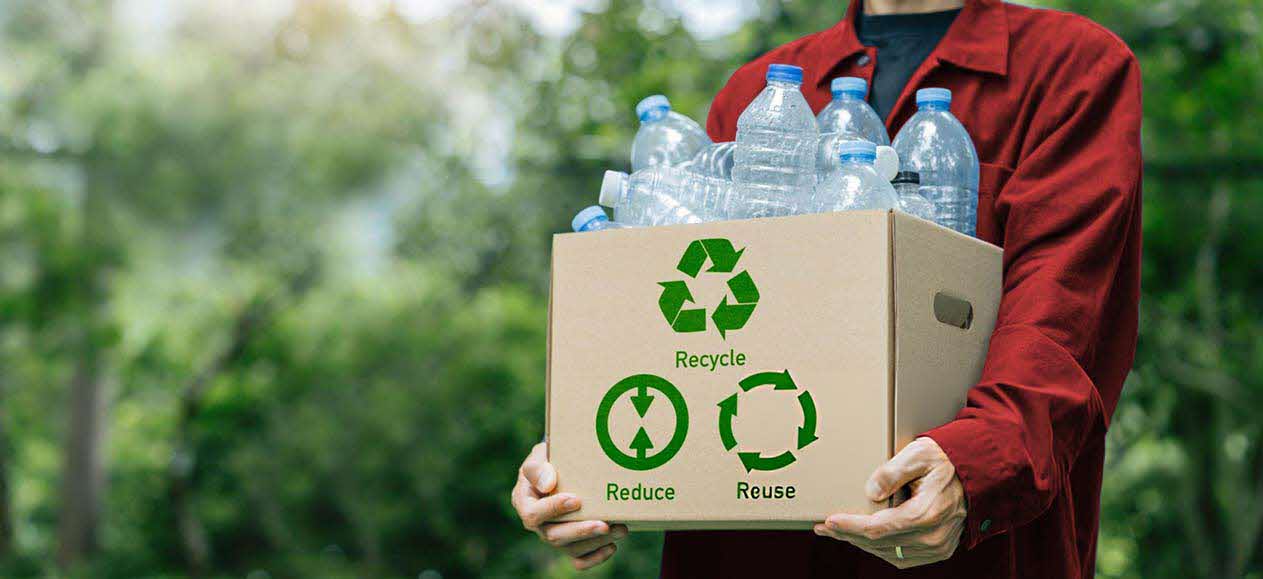
The Earth is our source of life. The air we breathe, the water we drink, and the food we consume all depend on a healthy natural environment. Two global observances, which are the World Cleanup Day and the International Day for the Preservation of the Ozone Layer that serves as reminders that awareness alone is not enough.
Consistent actions such as reducing waste, recycling, choosing eco-friendly products, and saving energy are practical ways to care for the Earth that bring real benefits to our health, economy, and community well-being today, and in the future.
Consistent action such as reducing waste, recycling, choosing the environmentally friendly products and conserving the energy are among some ways to protect the earth. The World Cleanup Day, which now unites millions of volunteers across 190 countries, is proof that grassroots collaboration can spark meaningful change. When we ask ourselves how we as individuals can contribute, the answer lies in simple yet consistent actions we take at home and at the workplace and most importantly each effort, no matter how small, adds up to a greater impact.
Key Takeaways
- World Cleanup Day is celebrated in 190 countries, proving that small collective efforts can make a significant difference in cleanliness and waste reduction.
- Malaysia’s recycling rate reached 35.38% in 2023 and is targeted to reach 40% by 2025, so there is still much room for improvement at home and within organisations.
- The ozone layer is on a recovery track which current projections estimate around 2040 (global), 2045 (Arctic), and 2066 (Antarctic). The reduction of HFCs under the Kigali Amendment could prevent about 0.5°C of warming by 2100.
- UNEP’s roadmap highlights that systemic changes could reduce plastic pollution by up to 80% by 2040 through strategies of reorienting, reusing, and recycling.
Waste Reduction & Recycling: A Collective Responsibility
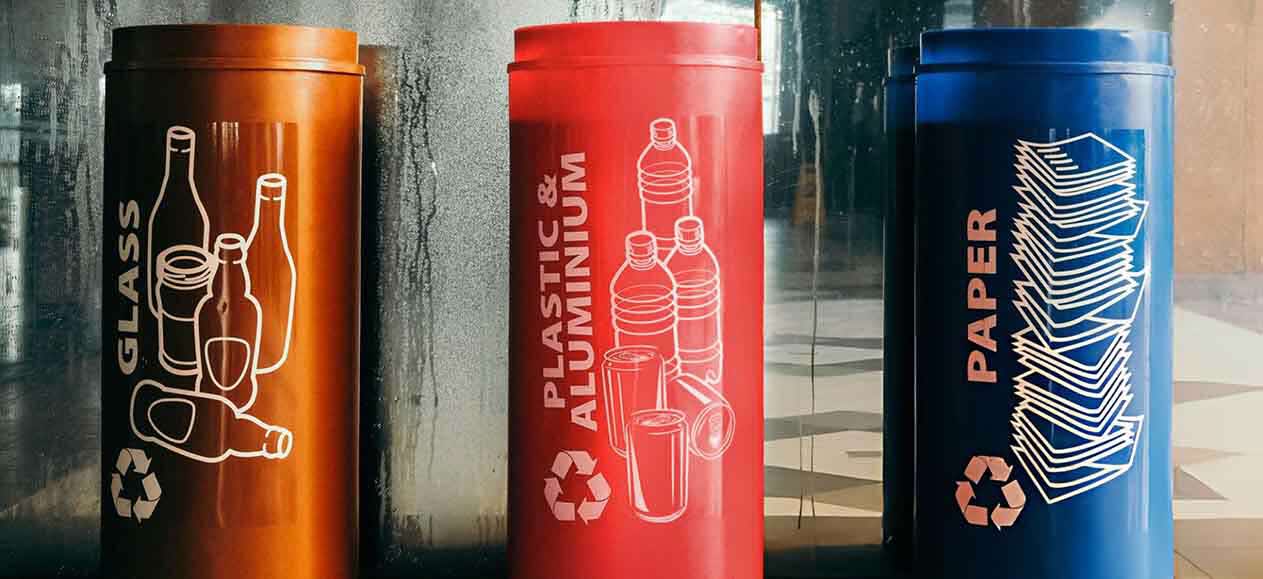
Reducing waste and recycling is not just about keeping residential areas cleaner or reducing landfill use, it also helps to conserve resources and cut harmful emissions. In Malaysia, the national recycling rate reached 35.38% in 2023 and is targeted to hit 40% by 2025. While progress has been made, there is still much room for improvement, especially at the household and workplace levels. It starts with the waste separation at the source, plan the delivery of the recyclable materials to the registered recycling centre, and cultivate mindful habits that can help to reduce single-use packaging.
For organisations, including companies and institutions, waste separation should be integrated into daily procedures by providing labelled bins in pantries and meeting rooms, and made it as part of the KPI targets which to be monitored monthly. Community programmes like gotong-royong or communal clean-ups in conjunction with the World Cleanup Day can also play an important role in nurturing collective responsibility and embedding sustainability into workplace and among employees.
Electronic waste such as phones, laptops, and small electrical appliances should not be disposed of in regular bins. Instead, send them to the registered recycle centres under the Jabatan Alam Sekitar (JAS) to prevent hazardous leaks and ensure proper recovery of valuable components. A full guide and list of recycling centres can be found on the JAS’ portal.
Protecting the Ozone Layer: Progress & Our Role
The Montreal Protocol is a global success story. Ozone-depleting substances have been almost completely phased out, and the ozone layer is now back on track to return to 1980 levels by around 2040 globally, 2045 in the Arctic, and 2066 in the Antarctic, provided if the compliance continues. This recovery is crucial, as the ozone layer shields us from harmful UV radiation that affects human health, eyesight, and immune systems.
However, the journey is not over. Replacement chemicals for ODS, such as HFCs, do not damage the ozone layer but are potent greenhouse gases. Under the Kigali Amendment, global efforts are underway to phase down HFCs, which could avoid up to 0.5°C of warming by 2100. As a consumer, we can support this transition by choosing new energy-efficient appliances, regularly maintaining air conditioners, and refrigerators, and ensuring that old equipment is disposed of by certified technicians.
For organisation, incorporating audits of cooling equipment, scheduled maintenance, and responsible disposal guidelines into sustainability policy is essential. These practices not only help to minimise the risk of refrigerant leaks but also enhance energy efficiency and optimize operating costs.
Protecting the Future: Habits that Scale
Daily choices determine the long-term direction. Consistent habits today will build a healthier future for everyone. The most reliable answer to how do we save the earth is to turn good intentions into routines. Here are some easy ways to care for the Earth, both at home and in the office:• Reduce single‑use plastics. Carry a water bottle, food container and reusable bag. UNEP’s roadmap shows the right policy and market shifts can reduce plastic pollution by up to 80% by 2040.
- Conserve energy. Set the air conditioner temperatures around 24–26°C, use timers, and switch devices off when not in use. This lowers bills and emissions.
- Support sustainable products and suppliers. Prefer items that last, can be repaired, and come with minimal packaging.
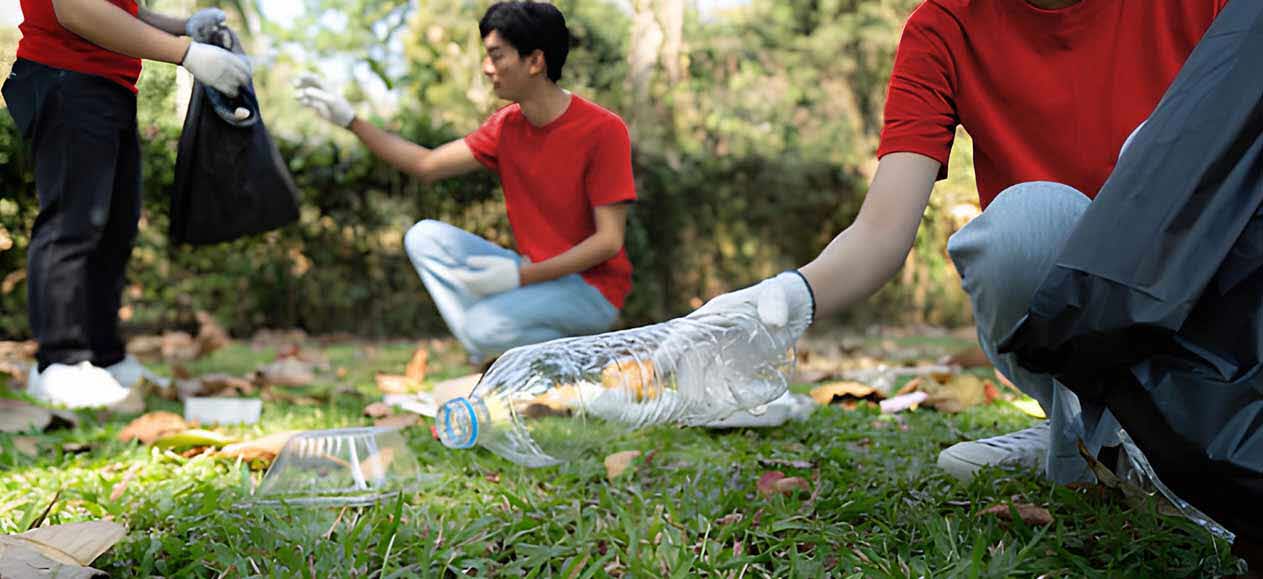
- Engage with your community. Take part in local clean-up activities or organise regular clean-up campaigns. Track and record the impact to ensure that progress can be measured and celebrated over time.
The practices above may seem simple, but when done collectively, their impact flows across the entire value chain, from producers and retailers to the waste management system. This is a realistic way to preserve the earth, small but consistent.
Conclusion
Begin with one simple step today. Separate your waste, plan trips to recycling centres, service your air conditioners, or reconsider single-use plastic purchase. Just as the same as how we protect our family through Takaful, our daily commitment to the environment is a long-term investment in sustainability of our planet. Let these practices become part of our workplace culture and home routines, so that caring for the Earth becomes a habit, not just a seasonal campaign.
FAQs
1) What are the easiest ways to start protecting the earth right now?
Begin by separating waste at the source. Use registered recycling facilities or Drive-Thru Recycling Centres (DTRC) and reduce single-use plastics. For e-waste, refer to collection centres recognized by the Department of Environment (JAS). Set your air conditioner to around 24°C to save energy.
2) Where can I properly dispose of e-waste?
Send equipment such as phones, laptops, televisions, air conditioners, and refrigerators to collectors and recovery facilities approved by the Department of Environment (JAS). The list of locations can be found on the official JAS’ e-waste portal.
3) Do individual actions really make a difference?
Absolutely. World Cleanup Day unites participants from over 190 countries, proving that small actions taken collectively can lead to significant improvements in cleanliness and waste reduction. Make these habits part of your daily routine to consistently care for the earth.
4) What is the importance of protecting the earth through HFC phase‑down?
Phasing down HFCs under Kigali could avoid ~0.5°C of warming by 2100, complementing ozone recovery and improving climate outcomes.
5) How can organisations contribute without high cost?
Set SOPs for waste separation, provide labelled bins according to category, record the amount of materials recycled each month, and channel them to registered recycling networks. These steps are quick to implement and contribute to national targets.