



Shawal: a meaningful month for good practices after ramadan
Shawal is a meaningful month after Ramadan, beyond just the festivities. Discover the meaning of Shawal and good practices to continue, including the 6 days of fasting.

Key Takeaways
- Shawal is more than a festive month after Ramadan; it is also a chance to keep growing spiritually.
- Fasting during Shawal, especially for 6 days, is a valued sunnah that helps build consistency in worship.
- This month is a special time to grow in gratitude, give to others, and strengthen family bonds.
- Simple, heartfelt acts of worship in Shawal can help keep the spirit of Ramadan alive all year.
After a month of fasting, prayer, reflection, and self-control, Shawal (also known as Syawal) brings feelings of joy, relief, and gratitude. For Muslims everywhere, it starts with Eid al-Fitr, a celebration that marks the end of Ramadan and h onours the strength Allah grants to complete the fast. This is a time for warmth, forgiveness, generosity, and togetherness.
Shawal is not just about festive meals, new clothes, and family gatherings. It gently reminds us that the spiritual lessons from Ramadan should continue. The patience, discipline, compassion, and devotion we built during Ramadan should become part of our daily lives. This is what makes Shawal meaningful: it shows that faith is not just for one season, but something to carry forward with sincerity and consistency.

Fasting 6 Days During Shawal
One of the best-known and most eagerly anticipated practices in Shawal is the 6 days of fasting. This practice is also known as the voluntary Shawal fast, which involves fasting for 6 days during the month of Shawal after completing the Ramadan fast. It is a highly recommended sunnah act of worship because its reward is clearly mentioned in authentic hadith.
From Abu Ayyub al-Ansari, the Prophet Muhammad (PBUH) said that “whoever fasts during the month of Ramadan and then follows it with 6 days in the month of Shawal will be rewarded as though he had fasted for the entire year”. This shows how great the virtue of fasting 6 days in Shawal is, even though it is only a voluntary act.
The special merit of the voluntary Shawal fast lies not only in its reward, but also in the wisdom behind it. After a full month of training oneself through obligatory worship, the 6-day fast serves as a form of spiritual continuation that helps a person remain steadfast. It is as though it becomes a bridge between Ramadan and the months that follow, so that the spirit of worship does not come to an abrupt stop.
In terms of how it is observed, the 6 days of Shawal fasting may be done in several ways:
- consecutively after Hari Raya Aidilfitri
- separately according to one’s convenience throughout the month of Shawal• according to one’s ability, as long as all 6 days are completed within that month
This flexibility makes the voluntary Shawal fast easier for many people to observe, whether they are working, studying, or managing a family. What matters most is sincere intention and the effort to continue maintaining good deeds after Ramadan. There is also guidance explaining that the 6 days of fasting may begin as early as the 2nd of Shawal, since on the 1st of Shawal, Muslims are prohibited from fasting in conjunction with Hari Raya Aidilfitri.
In other words, the 6 days of fasting in Shawal are not merely about seeking great rewards, but also serve as proof that a person truly wishes to maintain their closeness to Allah after Ramadan has passed.
Continuing Good Habits from Ramadan
People often call Ramadan a spiritual training ground, and for good reason. During this month, many Muslims become more disciplined in prayer, more careful with their words, more generous, and more connected to the Qur’an. But the real challenge comes after Ramadan: how do we keep these good habits going when the month is over?
This is why Shawal matters so much. It gives us a chance to keep the spiritual momentum from Ramadan instead of letting it fade. While we may not keep up the same intensity, we can still hold on to the spirit of the month by doing steady, manageable acts of worship.
Some habits worth continuing include:
- voluntary prayers
- daily Qur’an recitation, even in small portions
- regular dhikr and dua
- mindful speech and behaviour
- consistent acts of kindness
The key is consistency. In Islam, even small actions done regularly are deeply loved. Reading a few verses of the Qur’an each day, taking a moment for dhikr after prayer, or doing a quiet act of sincerity can all grow into strong habits over time. Shawal reminds us that spiritual success is not only about great effort, but about returning again and again to what is good, even in small ways.
In many ways, fasting in Shawal supports this spirit. It becomes a bridge between Ramadan and the rest of the year, helping believers preserve discipline and devotion. Rather than seeing Ramadan as the end of a spiritual journey, Shawal teaches Muslims to see it as the beginning of a more mindful and Islamic-centred life. In this sense, fasting in Shawal is among the most meaningful practices, not only because it is performed, but because of the wisdom and consistency it nurtures.
Practising Charity, Gratitude, and Strengthening Family Ties
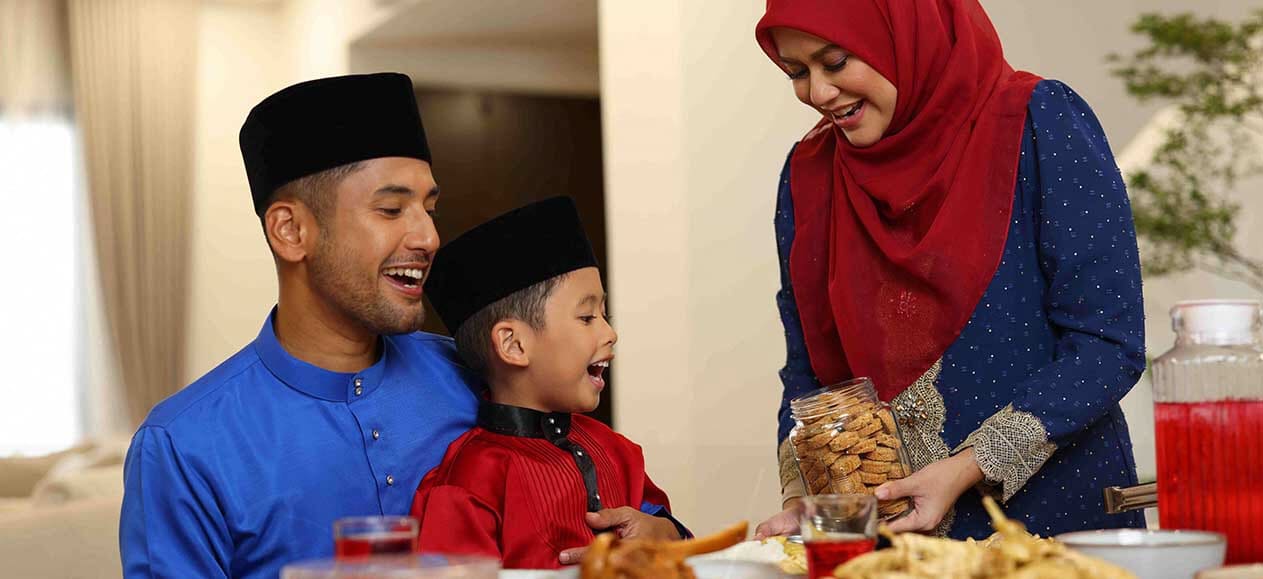
Besides fasting, Shawal is also closely associated with human relationships. It is the month that creates space for families to gather, old friends to reunite, and hearts that may once have drifted apart to grow close again. The tradition of visiting one another, seeking forgiveness, and offering prayers during Hari Raya is not merely a custom but carries great moral and spiritual value.
One of the highly encouraged practices in the month of Shawal is strengthening ties of kinship. In the busyness of daily life, we sometimes forget to spend time with our parents, relatives, or loved ones. Shawal comes as a beautiful opportunity to mend relationships, seek forgiveness for past mistakes, and show love more openly.
At the same time, the spirit of charity cultivated during Ramadan should also be continued. Although Ramadan has ended, the needs of those who are less fortunate still remain. Contributing to those in difficulty, helping neighbours, sponsoring meals, or simply giving sincerely all fall under the good deeds of Shawal that can bring blessings.
Gratitude also becomes an important theme in this month. After being granted the strength to complete the Ramadan fast, celebrate Eid al-Fitr, and gather with family, there are certainly many blessings to be thankful for. This sense of gratitude is expressed not only through words, but also through the way we appreciate our blessings, share what we have and use the life we have to continue doing good.
That is why Shawal feels so special. It is not merely a month of celebration, but a month to continue goodness in worship, in family relationships, and in the way we view every blessing that Allah has bestowed.
Closing Thoughts
As Shawal continues, try to keep up the good habits you built during Ramadan. Whether you fast for 6 days, give to charity, or strengthen your bonds with family and community, these simple but meaningful actions can help your spiritual growth last long after the celebrations end.
Shawal is also a good time to think about how we care for the people who matter most. As we work to build faith, gratitude, and responsibility in our lives, it is also wise to plan for our family’s future. With the right protection plan from Great Eastern Takaful Berhad , you can move forward with more confidence and peace of mind, while staying focused on what truly matters.