



Preparing for ramadan holistically: managing time, energy and finances effectively
Prepare for Ramadan holistically: manage time, maintain energy while fasting, and plan finances wisely to enjoy a balanced, spiritually fulfilling month.
Key takeaways
- A holistic approach to Ramadan preparation supports both spiritual focus and daily responsibilities.
- Mindful time planning allows for consistent worship without burnout.
- Managing energy through nutrition and rest helps maintain productivity while fasting.
- Financial planning with takaful protection supports peace of mind during Ramadan.
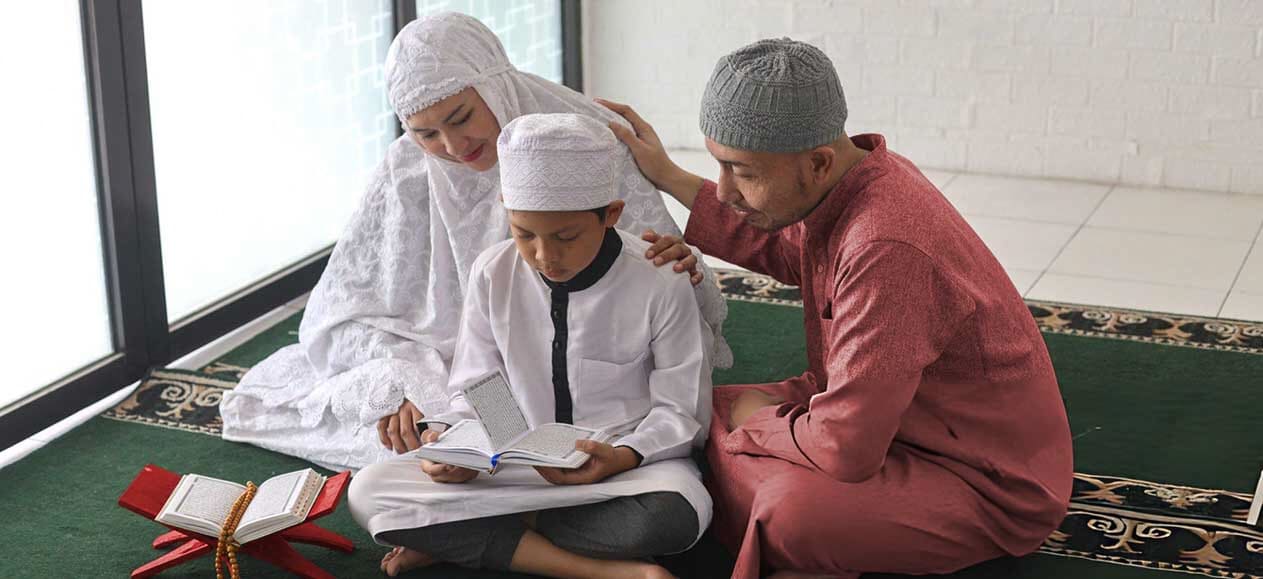
Ramadan is a time for spiritual reflection, self-discipline, and connecting with family and community. As your daily routines change during this special month, preparing for Ramadan is more than just ticking off a checklist. It’s about finding balance so you can worship, work, and take care of yourself without extra stress.
If you don’t plan ahead, changes in your sleep, fasting hours, and finances can feel overwhelming. Preparing for Ramadan holistically helps you navigate the month with intention, clarity, and peace of mind. This way, you can focus on what really matters.
Managing time mindfully throughout ramadan

During Ramadan, your daily schedule often changes because of fasting, early mornings for sahur, and late nights for prayers. Without some structure, your days might feel rushed and scattered.
Effective time management in Ramadan starts with prioritising what matters most. This does not mean doing more; it means doing what is essential with intention.
Practical ways to manage time during Ramadan include:
- Planning sahur, iftar, and prayer times in advance
- Grouping similar tasks together to conserve mental energy
- Reducing non-essential commitments where possible
- Allocating specific time blocks for rest and worship
When you plan ahead, you make room for reflection and worship without feeling rushed. With a thoughtful schedule, Ramadan can feel calm and purposeful instead of stressful.
Preserving energy while maintaining daily responsibilities
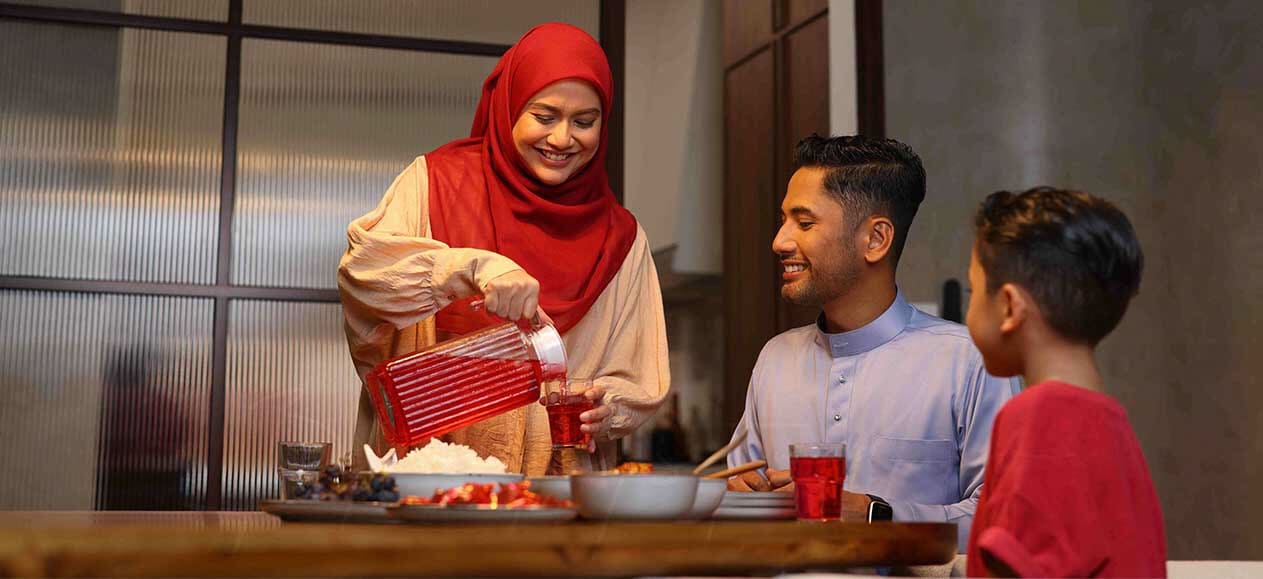
Fasting can make you feel low on energy, especially if you have long workdays or a busy routine. Knowing how to maintain your energy up while fasting helps you stay consistent all month.
Instead of forcing yourself to keep going when you’re tired, small changes can really help. Spacing out your tasks, paying attention to your body, and taking breaks can help you stay focused and productive.
Key considerations for managing energy during Ramadan:
- Consume balanced meals during sahur and iftar that include complex carbohydrates and protein.
- Stay hydrated between sunset and dawn.
- Avoid excessive caffeine, which may disrupt sleep patterns.
- Schedule demanding tasks earlier in the day when energy levels are higher.
According to the GHHS Healthcare, balanced nutrition and hydration are key to maintaining energy levels during fasting periods. Managing your energy well helps you stay present, both physically and spiritually, throughout the month.
Planning finances for a balanced and meaningful ramadan
Ramadan often brings extra expenses, such as food, charity, and Hari Raya planning. If you don’t plan ahead, these costs can add up and cause financial stress.
Thoughtful Ramadan preparation means setting a realistic budget that reflects your values. Financial mindfulness helps generosity remain joyful, not stressful.
Steps towards better financial preparation include:
- Listing expected Ramadan-related expenses in advance.
- Setting spending limits for food, charity, and festive needs
- Avoiding impulsive purchases driven by seasonal promotions
- Reviewing existing financial protection and coverage
Having your finances in order with takaful gives you peace of mind during Ramadan. This way, you can focus on worship, family, and giving without worrying about money.
Conclusion
Being ready for Ramadan is more than just being physically prepared. It’s about finding balance, setting intentions, and having peace of mind. When you manage your time, energy, and finances together, you set yourself up for a month that is both spiritually rewarding and practical.
When you prepare for Ramadan with good planning and the right takaful protection , you can focus on worship, family, and personal growth. Start by looking into Great Eastern Takaful’s protection options and talk to a Takaful Advisor , who can help you find the right coverage for Ramadan and your future. This way, you can move forward with confidence and peace of mind during Ramadan and beyond.