


Savings or takaful: how young workers can use money wisely
Not sure whether to prioritise savings or takaful? Learn how to use money wisely with practical tips for workers to build stronger financial protection

Key takeaways
- Both savings and takaful serve different but equally important financial roles
- Relying on just one can expose you to financial risks
- Learning how to use money wisely early helps build long-term stability
- A balanced approach creates stronger financial protection and flexibility
Labour Day is a reminder of how far your hard work has taken you from earning your first paycheque to building your career and financial independence. But with that independence comes an important question: how should you use your money wisely?
For many young workers, the dilemma often comes down to whether to focus on saving or prioritise takaful contributions?
Understanding how both work is key to learning how to use money wisely, so you can make more confident financial decisions for your future.
Saving vs Takaful: what's the difference?

At first, savings and takaful might look similar because both involve setting aside money. However, they serve very different purposes.
Savings are funds you set aside for future use. This could include:
- Emergency funds
- Planned expenses (e.g. education or travel)
- Personal financial goals
On the other hand, Takaful contributions are designed to provide savings protection by offering financial coverage against unexpected events such as:
- Illness or hospitalisation
- Accidents
- Loss of income
To put it simply:
- Savings help you prepare for what you expect
- Takaful helps protect you from what you cannot predict
Both are important. Knowing how each one works helps you manage your money better and take care of all parts of your financial health.
Why relying on just one may not be enough
It might be tempting to focus on just one, especially when you are starting your career and your income is limited. But this can leave you with financial gaps.
If you rely only on savings:
- Unexpected medical bills can quickly deplete your funds
- You may struggle to recover financially after emergencies
If you rely only on takaful:
- You may not have enough cash flow for daily or short-term needs
- Planned expenses can become difficult to manage
Life is unpredictable. Bank Negara Malaysia reports that many Malaysians remain financially vulnerable because they lack sufficient emergency savings or protection.
This is why learning how to use money wisely means understanding that both savings and protection are necessary, not optional.
Having both in place can:
- Reduce financial stress during unexpected situations
- Help maintain your lifestyle despite disruptions
- Provide peace of mind as you progress in your career
Finding a practical balance as a young worker
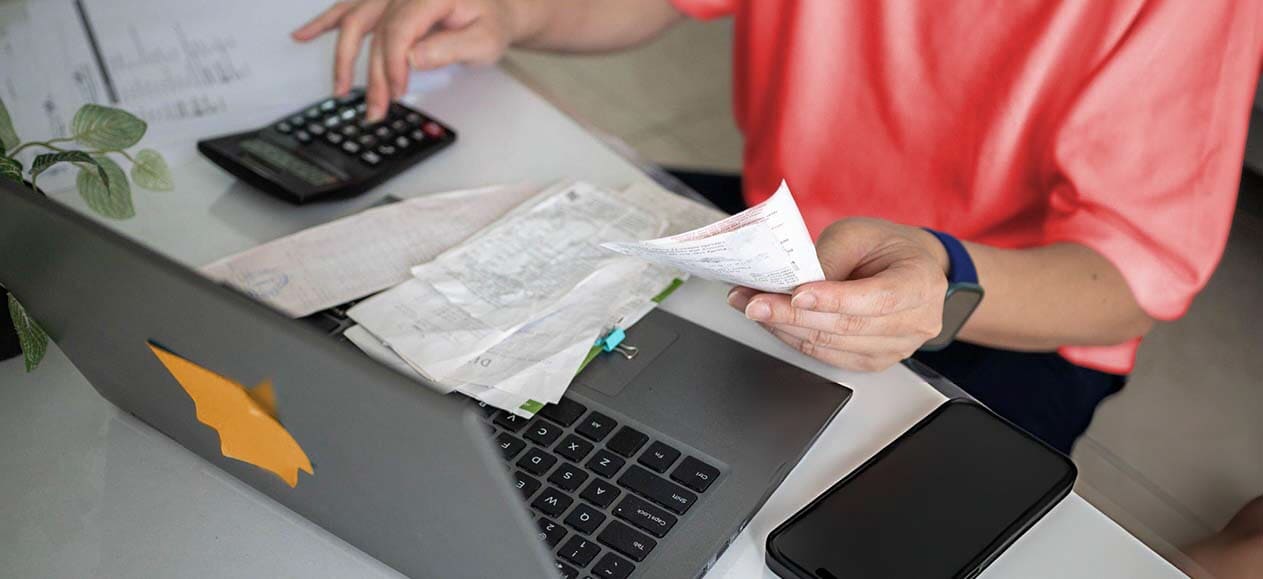
Rather than choosing one over the other, find a balance between savings and takaful that suits your income and lifestyle.
Here are some practical tips for workers to get started:
1. Start Small but Stay Consistent
Even small savings and affordable takaful contributions can add up over time. What matters most is being consistent, not perfect.
2. Allocate Based on Your Income
Try a simple budgeting method to split your income into:
- Daily expenses
- Savings
- Protection (takaful contributions)
This approach helps you manage your money without feeling stressed.
3. Adjust as Your Income Grows
When your salary goes up, try to slowly increase both your savings and takaful contributions. This will make your finances stronger.
4. Stay Flexible
Your financial needs will change as you move through different stages of life, like going from single to married or from employee to business owner. Your financial plan should change, too.
Build a stronger financial foundation with saving and protection
Starting early does more than give you a head start. It gives you time to build confidence with your finances as you grow. By building up both your savings and protection, you create a stronger base to support your goals throughout your career.
With the right balance, you can:
- manage unexpected expenses with less disruption
- stay better prepared for life’s uncertainties
- work towards financial independence with more confidence and peace of mind
In the end, using your money wisely means prioritising both savings and takaful for better financial security.
This Labour Day, as you think about your hard work and the future you want, it is a good time to check if your financial plan covers both savings and protection.
Besides saving money, looking into a takaful protection plan from Great Eastern Takaful Berhad can help you protect what you have worked hard for.