



Viral Outbreaks: Disease Prevention and Health Protection
Learn how viral outbreaks spread, how to prevent viral infection, and ways to boost immune system health through good hygiene practices and prevention measures.

Steps to Prevent Current Viral Outbreaks
Key Takeaways
- Understanding how do virus spreadis the first step towards effective disease prevention.
- Hand hygiene and hand washing remain among the most effective ways to reduce the spread of infections.
- Healthy lifestyle habits can help boost immune system function and support overall wellbeing.
- Consistent preventive measures can help lower the risk of a viral outbreak within families and communities.
Viral outbreaks can occur at any time and affect individuals, families, and communities. Whether it is seasonal influenza, COVID-19, or other infectious diseases, the risk of exposure remains a reality in our increasingly connected
world.
While different viruses may have unique characteristics, many share similar modes of transmission and prevention measures. Understanding how do virus spread and adopting healthy habits can help reduce the risk of infection. By taking practical precautions, we can better protect ourselves and our loved ones from current and future health challenges.
How Do Viruses Spread?
One of the most important aspects of preventing infectious diseases is understanding howviruses are transmitted.
Viruses can spread through respiratory droplets released when an infected individual coughs, sneezes, talks, or even breathes in close proximity to others. These droplets may be inhaled directly by people nearby, increasing the risk of infection.
Some viruses can also spread through contact with contaminated surfaces. For example, if a person touches a surface carrying viral particles and then touches their eyes, nose, or mouth, the virus may enter the body and cause infection.
Crowded environments, poorly ventilated indoor spaces, and close physical contact can further increase the likelihood of a viral outbreak. This is why public health authorities often emphasise ventilation, distancing where appropriate, and maintaining good hygiene practices during periods of increased viral activity.
Although symptoms may vary depending on the virus, many infectious diseases spread in similar ways. Understanding how do virus spread is therefore a crucial first step in effective disease prevention and protecting public health.
Why Is Hand Hygiene Important?
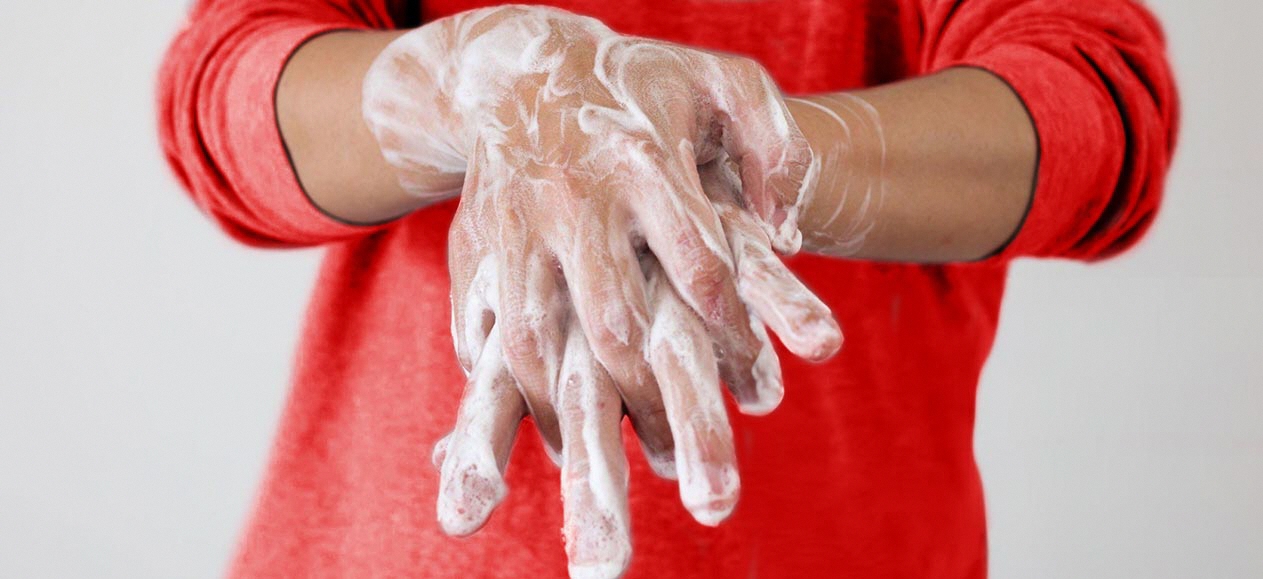
When it comes to reducing the spread of infectious diseases, few measures are as simple and effective as hand hygieneand hand washing.
Our hands come into contact with countless surfaces throughout the day, including door handles, lift buttons, shopping trolleys, mobile phones, and shared equipment. Without realising it, germs and viruses can accumulate on our hands and be transferred to our face.
This is why hand hygiene and hand washing are considered among the most important preventive practices recommended by health organisations worldwide.
Proper hand washing involves:
- Wetting hands with clean running water.
- Applying soap and lathering thoroughly.
- Scrubbing all areas of the hands, including between the fingers and under the nails, for at least 20 seconds.
- Rinsing thoroughly under running water.
- Drying hands with a clean towel or hand dryer.
In addition to prioritising hand hygiene, we should also clean frequently touched surfaces such as door handles, mobile phones, tables, and keyboards. Practising proper cough and sneeze etiquette, such as covering the mouth and nose with a tissue or the elbow, can also help reduce the spread of viruses.
When good hygiene practices are adopted by all family members, the risk of infection can be reduced more effectively.
How Can You Protect Yourself and Your Family?
While good hygiene practices are essential, protecting yourself from infectious diseases requires a broaderapproach to health and well being.
Maintaining a balanced diet rich in fruits, vegetables, whole grains, and lean proteins can provide the nutrients your body needs to function effectively. Proper nutrition plays an important role in supporting immune health and overall resilience.
Adequate sleep is equally important. During sleep, the body undergoes essential repair and recovery processes that help maintain immune function. Chronic sleep deprivation may increase susceptibility to infections and reduce the body's ability to recover from illness.
Regular physical activity is another effective way to boost immune system function. Exercise supports cardiovascular health, improves circulation, and contributes to overall physical and mental wellbeing.
In addition, avoiding close contact with individuals who are unwell whenever possible can help reduce the risk of exposure to infectious diseases. If you are experiencing symptoms yourself, staying home and seeking medical advice when necessary can help protect others around you.
Keeping up to date with trusted health information is also important. Public health recommendations may change depending on the nature of a viral outbreak, so referring to reliable sources can help you make informed decisions for yourself and your family.
These preventive measures work together to support long-term disease prevention, improve wellbeing, and reduce the likelihood of infection.
Protect Your Health Through Prevention and Preparation

While every viral outbreak may be different, many prevention strategies remain the same. Practising hand hygiene and hand washing, maintaining healthy lifestyle habits, and staying informed can help protect youand your family from infection.
Beyond daily health precautions, having medical protection is also important to prepare for unexpected healthcare needs. By combining preventive habits with appropriate protection planning, you can enjoy greater peace of mind and confidence in facing future health challenges.
Frequently Asked Questions (FAQS)
Reference:
1. World Health Organization (WHO) – Infection Prevention and Control (2024–2025) https://www.who.int/health-topics/infection-prevention-and-control
2. World Health Organization (WHO) – Hand Hygiene in Healthcare (Updated 2024) https://www.who.int/teams/integrated-health-services/infection-prevention-control/hand-hygiene
3. Centers for Disease Control and Prevention (CDC) – Preventing Respiratory Viruses (2025) https://www.cdc.gov/respiratory-viruses/prevention/index.html